In the rapidly evolving world of digital finance, anonymous social trading has emerged as a groundbreaking innovation, blending the transparency of social networks with the privacy of decentralized transactions. As cryptocurrency adoption continues to grow, traders and investors are increasingly seeking ways to protect their identities while still benefiting from the collective wisdom of the trading community. This comprehensive guide explores the concept of anonymous social trading, its benefits, challenges, and how it is reshaping the way people engage with financial markets.
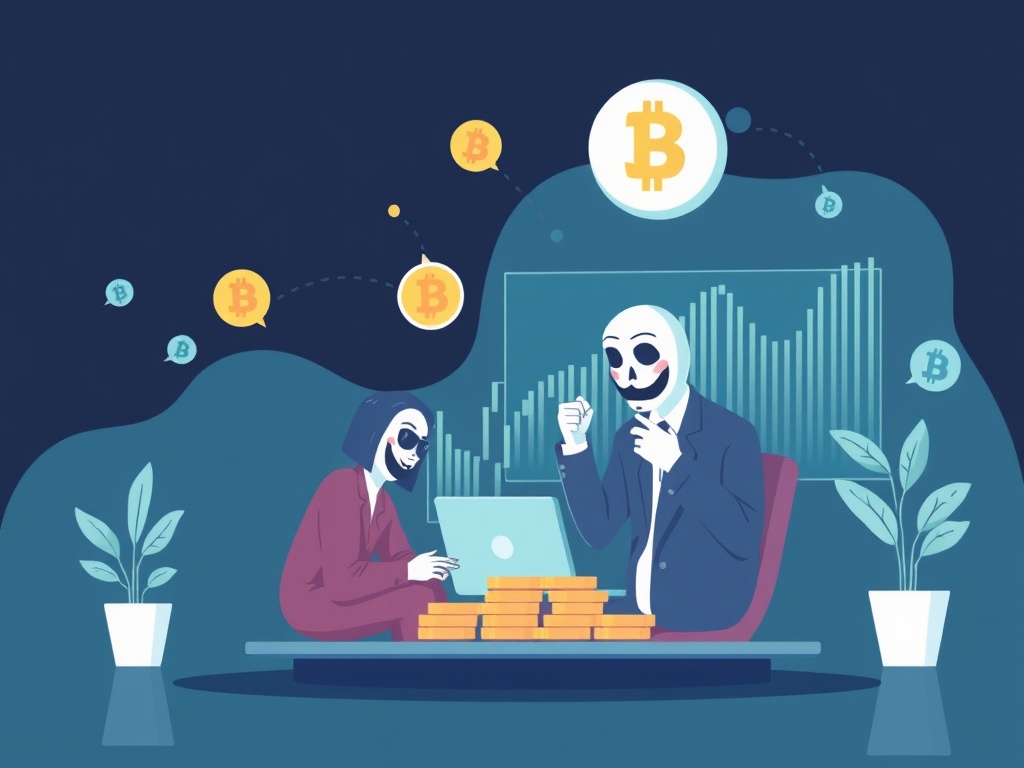
The rise of anonymous social trading platforms has been fueled by the demand for financial privacy in an era where data breaches and surveillance are major concerns. Unlike traditional social trading platforms that require users to disclose personal information, anonymous social trading allows individuals to share strategies, follow trends, and execute trades without revealing their identities. This approach not only enhances security but also fosters a more inclusive and open trading environment.
In this article, we will delve into the mechanics of anonymous social trading, examine its advantages over conventional methods, and provide practical insights for those looking to participate in this innovative space. Whether you are a seasoned trader or a newcomer to the cryptocurrency world, understanding anonymous social trading can help you make more informed and secure investment decisions.
The Rise of Anonymous Social Trading in the Cryptocurrency Space
Understanding Social Trading and Its Evolution
Social trading has revolutionized the way individuals approach financial markets by allowing them to mimic the strategies of successful traders. Platforms like eToro and ZuluTrade have popularized this concept, enabling users to copy trades automatically. However, these platforms often require extensive personal information, including real names, addresses, and financial records, which can deter privacy-conscious traders.
Anonymous social trading addresses this issue by removing the need for identity disclosure. Instead of relying on centralized platforms that store user data, anonymous social trading leverages decentralized networks and blockchain technology to ensure that traders can interact without compromising their privacy. This shift has been particularly appealing in regions with strict financial regulations or where users prioritize anonymity.
Key Drivers Behind the Growth of Anonymous Social Trading
The growth of anonymous social trading can be attributed to several factors:
- Increased Privacy Concerns: With high-profile data breaches and government surveillance, many traders are seeking ways to protect their identities while still participating in financial markets.
- Decentralization Movement: The rise of blockchain technology has paved the way for decentralized platforms that do not require users to submit personal information. This aligns perfectly with the principles of anonymous social trading.
- Global Accessibility: Traditional social trading platforms often restrict access based on geographic location or regulatory compliance. Anonymous platforms, on the other hand, are accessible to anyone with an internet connection, regardless of their location.
- Cryptocurrency Adoption: As more people invest in cryptocurrencies, the demand for tools that combine the benefits of social trading with the privacy of decentralized finance (DeFi) has surged.
The Role of Blockchain in Anonymous Social Trading
Blockchain technology is the backbone of anonymous social trading, providing the infrastructure needed for secure, transparent, and private transactions. Here’s how blockchain enhances this model:
- Immutable Records: All trades and interactions on a blockchain-based platform are recorded on a public ledger, ensuring transparency while maintaining user anonymity through cryptographic addresses.
- Smart Contracts: These self-executing contracts automate the copying of trades, eliminating the need for intermediaries and reducing the risk of fraud or manipulation.
- Decentralized Identity Solutions: Platforms can use decentralized identifiers (DIDs) to verify users without requiring personal information, further enhancing privacy.
By integrating blockchain, anonymous social trading platforms offer a level of security and autonomy that traditional systems cannot match. This has made them a preferred choice for traders who value both community engagement and financial privacy.
How Anonymous Social Trading Works: A Step-by-Step Guide
The Core Components of Anonymous Social Trading Platforms
To fully grasp how anonymous social trading operates, it’s essential to understand its key components:
- User Profiles: Traders create profiles using pseudonyms or cryptographic addresses instead of real names. These profiles display trading history, performance metrics, and strategy descriptions without revealing personal details.
- Trade Copying Mechanism: Users can browse profiles and choose to automatically copy the trades of other traders. This is facilitated by smart contracts that execute trades on behalf of the follower without exposing the leader’s identity.
- Decentralized Network: Trades are executed on a decentralized exchange (DEX) or through peer-to-peer (P2P) transactions, ensuring that no central authority has control over user funds or data.
- Privacy Tools: Features like coin mixing, stealth addresses, and zero-knowledge proofs (ZKPs) are often integrated to obscure transaction details and further protect user anonymity.
Step-by-Step Process of Participating in Anonymous Social Trading
Here’s a detailed breakdown of how to engage in anonymous social trading:
Step 1: Choose a Reputable Anonymous Social Trading Platform
Not all platforms offer true anonymity, so it’s crucial to select one that prioritizes privacy. Look for platforms that:
- Do not require KYC (Know Your Customer) verification.
- Use decentralized infrastructure (e.g., blockchain-based exchanges).
- Offer features like coin mixing or privacy coins (e.g., Monero, Zcash).
- Have a strong community and positive user reviews.
Step 2: Create a Pseudonymous Profile
Once you’ve selected a platform, the next step is to create a profile. Instead of using your real name, you’ll generate a unique username or cryptographic address. This profile will serve as your identity within the trading community, allowing you to share strategies and build a reputation without compromising your privacy.
Step 3: Fund Your Account Anonymously
To participate in anonymous social trading, you’ll need to deposit funds without revealing your identity. This can be done through:
- Privacy Coins: Using cryptocurrencies like Monero (XMR) or Zcash (ZEC), which offer enhanced privacy features, ensures that your transactions remain confidential.
- Coin Mixing Services: Services like Bitcoin Mixer or Wasabi Wallet allow you to obfuscate the origin of your funds before depositing them into your trading account.
- Peer-to-Peer (P2P) Transactions: Some platforms allow users to deposit funds directly from other users without going through a centralized exchange.
Step 4: Browse and Select Traders to Follow
With your account funded, you can now explore the platform’s community of traders. Most platforms provide filters to help you find traders based on:
- Performance metrics (e.g., profit/loss ratio, win rate).
- Trading style (e.g., scalping, swing trading, long-term investing).
- Risk level (e.g., conservative, moderate, aggressive).
- Community ratings and reviews.
Once you’ve identified a trader whose strategy aligns with your goals, you can choose to automatically copy their trades. The platform will execute these trades on your behalf using smart contracts, ensuring that your identity remains hidden.
Step 5: Monitor and Adjust Your Strategy
While anonymous social trading allows you to follow others, it’s essential to monitor your portfolio and adjust your strategy as needed. Most platforms provide real-time analytics and performance tracking, enabling you to:
- Evaluate the success of your copied trades.
- Diversify your portfolio by following multiple traders.
- Set stop-loss limits to mitigate risk.
- Adjust your allocations based on market conditions.
Step 6: Withdraw Funds Anonymously
When you’re ready to withdraw your funds, you can do so without revealing your identity. This is typically achieved through:
- Privacy Coins: Withdrawing to a wallet that supports Monero or Zcash ensures that your transaction remains private.
- Coin Mixing: Using a mixing service to obscure the destination of your funds before withdrawing them.
- P2P Withdrawals: Some platforms allow you to withdraw funds directly to another user’s wallet without intermediaries.
By following these steps, you can participate in anonymous social trading while maintaining complete control over your privacy and financial data.
Benefits of Anonymous Social Trading: Why Traders Are Switching
Enhanced Privacy and Security
One of the most significant advantages of anonymous social trading is the enhanced privacy it offers. Traditional social trading platforms require users to submit sensitive personal information, which can be vulnerable to hacking, phishing, or government surveillance. In contrast, anonymous platforms allow traders to:
- Keep their real identities hidden behind pseudonyms or cryptographic addresses.
- Execute trades without exposing their financial history or transaction details.
- Protect themselves from targeted advertising, identity theft, or discrimination based on their trading activity.
For traders in countries with strict financial regulations or those who prioritize privacy, anonymous social trading provides a much-needed alternative to conventional platforms.
Access to a Global Community of Traders
Anonymous social trading platforms are not bound by geographic restrictions, allowing users to connect with traders from around the world. This global reach offers several benefits:
- Diverse Trading Strategies: By following traders from different regions, you gain exposure to a wider range of strategies and market insights.
- Reduced Bias: Unlike traditional platforms that may favor local traders, anonymous platforms provide equal opportunities for all participants, regardless of their location.
- Cultural Exchange: Engaging with a global community fosters cultural exchange and collaboration, enriching the trading experience.
Lower Costs and Greater Transparency
Many anonymous social trading platforms operate on decentralized networks, which eliminates the need for intermediaries like brokers or centralized exchanges. This results in:
- Lower Fees: Without middlemen taking a cut, traders can enjoy reduced transaction costs and higher profitability.
- Transparent Pricing: Blockchain technology ensures that all trades are recorded on a public ledger, providing complete transparency and reducing the risk of manipulation.
- No Hidden Charges: Unlike traditional platforms that may impose hidden fees, decentralized platforms typically have clear and upfront pricing structures.
Autonomy and Control Over Your Investments
In traditional social trading, users often relinquish control over their funds to a centralized platform. Anonymous social trading, on the other hand, empowers users by giving them full ownership of their assets. This autonomy is achieved through:
- Self-Custody Wallets: Users retain control of their private keys, ensuring that they—not a third party—have access to their funds.
- Decentralized Execution: Trades are executed directly on the blockchain, eliminating the risk of platform insolvency or mismanagement.
- Customizable Strategies: Traders can mix and match strategies from different leaders, tailoring their portfolio to their specific goals and risk tolerance.
Resistance to Censorship and Regulation
Centralized platforms are often subject to government regulations, which can limit access or impose restrictions on certain users. Anonymous social trading platforms, being decentralized, are resistant to censorship and regulatory interference. This makes them particularly attractive to:
- Traders in countries with strict capital controls or financial restrictions.
- Individuals who wish to avoid government surveillance or financial tracking.
- Those who prefer to operate outside the traditional banking system.
By leveraging blockchain technology, anonymous social trading provides a censorship-resistant alternative that aligns with the principles of financial freedom and autonomy.
Challenges and Risks of Anonymous Social Trading
Potential for Scams and Fraudulent Traders
While anonymous social trading offers numerous benefits, it is not without its risks. One of the most significant challenges is the potential for scams and fraudulent traders. Since users operate under pseudonyms, it can be difficult to verify the legitimacy of a trader’s claims. Common red flags include:
- Unrealistic Returns: Traders promising guaranteed profits or excessively high returns are often scammers.
- Lack of Transparency: Traders who refuse to share their trading history or strategy details may be hiding something.
- Pressure Tactics: Scammers may urge users to deposit funds quickly or threaten to withdraw their "exclusive" trading signals.
To mitigate these risks, it’s essential to conduct thorough due diligence before following any trader. Look for platforms that provide:
- Verified trading histories and performance metrics.
- Community ratings and reviews from other users.
- Mechanisms for reporting and banning fraudulent traders.
Liquidity and Market Access Issues
Another challenge of anonymous social trading is liquidity. Decentralized platforms often have lower liquidity compared to centralized exchanges, which can result in:
- Slippage: Large orders may not be filled at the expected price, leading to reduced profitability.
- Limited Asset Selection: Not all cryptocurrencies are available on decentralized platforms, restricting traders to a smaller pool of assets.
- Slow Execution: Blockchain transactions can take longer to process, especially during periods of high network congestion.
To address these issues, traders should:
- Choose platforms with high liquidity and a large user base.
- Opt for assets with strong market demand to ensure smooth execution.
- Consider using layer-2 solutions or cross-chain bridges to access a broader range of assets.
Regulatory Uncertainty and Compliance Risks
While anonymous social trading platforms aim to operate outside traditional regulatory frameworks, they are not entirely immune to legal challenges. Governments and financial authorities are increasingly scrutinizing decentralized platforms, which could lead to:
- Regulatory Crackdowns: Some jurisdictions may ban or restrict the use of anonymous trading platforms.
- Compliance Requirements: Platforms may be forced to implement KYC/AML (Anti-Money Laundering) measures, undermining their anonymity features.
- Legal Risks for Users: Traders in certain countries may face penalties for using unregulated platforms.
To navigate these challenges, traders should:
- Stay informed about the regulatory landscape in their jurisdiction.
- Use platforms that prioritize compliance with local laws while maintaining user privacy.
- Consult with a legal professional if unsure about the legality of anonymous trading in their region.
Technical Complexity and User Experience
Anonymous social trading platforms often require a higher level of technical knowledge compared to traditional platforms. Users may encounter challenges such as:
- Wallet Management: Setting up and securing cryptocurrency wallets can be daunting for beginners.
- Smart Contract Interactions: Understanding how to use smart contracts to copy trades may require familiarity with blockchain technology.
- Privacy Tools: Using coin mixers or privacy coins effectively demands a certain level of expertise.
To overcome these hurdles, traders can:
- Start with user-friendly platforms that offer step-by-step guides and tutorials.
- Practice with small amounts of funds before committing larger investments.
- Join community forums or Discord groups to learn from experienced users.
Volatility and Market Risks
Like all forms of trading, anonymous social trading is subject to market volatility and inherent risks. Cryptocurrency markets are notoriously unpredictable, and even the most successful traders can experience significant losses. Factors contributing to this risk include:

The Rise of Anonymous Social Trading: A Double-Edged Sword in Digital Asset Markets
As a digital assets strategist with a background in both traditional finance and cryptocurrency markets, I’ve observed the rapid evolution of anonymous social trading platforms with keen interest—and caution. These platforms, which allow users to replicate trades without disclosing their identities, democratize access to sophisticated trading strategies while introducing significant risks. From a quantitative perspective, the appeal is undeniable: the ability to leverage crowd-sourced insights without the overhead of traditional asset management is transformative. However, the lack of transparency around counterparty risk, execution quality, and potential manipulation raises red flags. In my work, I’ve seen how anonymity can amplify herd behavior, leading to cascading liquidity events during volatile market conditions. For institutional and retail investors alike, the key lies in balancing the efficiency gains against the structural vulnerabilities inherent in these systems.
Practically speaking, anonymous social trading platforms excel in accessibility and cost-efficiency, particularly for niche or emerging digital assets where traditional research is scarce. My analysis of on-chain data suggests that top-performing "signal providers" on these platforms often exhibit patterns consistent with high-frequency trading or arbitrage strategies, which can be lucrative but are also prone to front-running and slippage in illiquid markets. To mitigate risks, I recommend investors deploy rigorous due diligence frameworks—such as verifying historical performance across multiple market cycles and cross-referencing trade execution data with on-chain metrics. Additionally, integrating these strategies into a broader portfolio with traditional hedging instruments can offset the systemic risks posed by anonymity. Ultimately, while anonymous social trading is a powerful tool for diversification, its success hinges on disciplined risk management and a deep understanding of market microstructure.