The evolving landscape of cryptocurrency transactions demands flexibility, especially when it comes to managing withdrawals during periods of network congestion. One mechanism that has gained significant attention among power users and platform operators alike is the fee bumping withdrawal. When users initiate a withdrawal on a platform like btcmixer_en2, the ability to adjust the transaction fee mid-process can mean the difference between a prompt confirmation and a stuck transaction lingering in the mempool for hours. This article dives deep into the concept, mechanics, benefits, risks, and best practices associated with fee bumping withdrawal, specifically within the context of the btcmixer_en2 ecosystem.
Understanding how fee structures operate on decentralized and semi-centralized mixing services is crucial for anyone looking to optimize their crypto movements. The fee bumping withdrawal method allows users to replace a low-fee transaction with a higher-fee one, prioritizing it for miners or validators. This is particularly relevant for btcmixer_en2 users who may experience delayed withdrawals during high-traffic periods on the Bitcoin network or other supported blockchains.
The Mechanics of Fee Bumping Withdrawal
How Fee Bumping Works
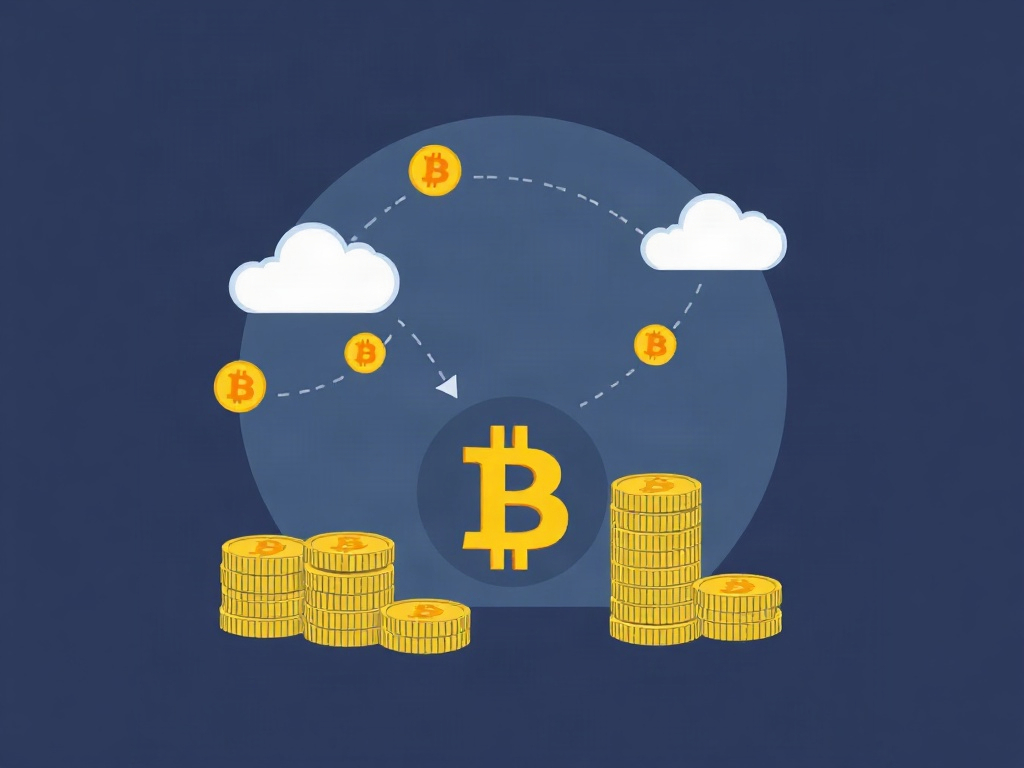
At its core, fee bumping relies on the Replace-by-Fee (RBF) protocol or similar transaction replacement mechanisms. When a user initiates a withdrawal from btcmixer_en2, the transaction is broadcast to the network with a specific fee rate. If the fee is too low to achieve timely confirmation, the user can signal RBF compatibility and replace the original transaction with a new one that pays a higher fee. The network then prioritizes the higher-fee version, effectively "bumping" the original transaction out of the way.
This process is not automatic on all platforms. On btcmixer_en2, the interface may provide a manual "bump fee" option, or the backend may automatically detect congestion and prompt the user. Understanding whether your withdrawal supports RBF is the first step in leveraging this feature effectively.
Why It Matters for btcmixer_en2 Users
Users of btcmixer_en2 often value privacy and efficiency. A delayed withdrawal not only exposes transaction patterns but also undermines the user experience. The fee bumping withdrawal feature empowers users to take control, ensuring that their mixed funds arrive at the intended destination without unnecessary delays. Moreover, it reduces the reliance on third-party accelerators, which often charge additional fees for a service that the platform could provide natively.
Benefits of Fee Bumping Withdrawal on btcmixer_en2
Faster Confirmation Times
The most immediate advantage of employing a fee bumping withdrawal is the significant reduction in confirmation times. During periods of high Bitcoin block demand, a standard withdrawal might sit unconfirmed for 24 hours or more. By bumping the fee, users can often secure confirmation within the next block or within 10–30 minutes. For time-sensitive payments or trading activities, this speed is invaluable.
Cost Efficiency and User Control
While bumping a fee involves paying more, it can actually be more cost-effective than alternative solutions. Without fee bumping, users might be forced to wait indefinitely or pay a premium to third-party services to accelerate the transaction. The fee bumping withdrawal mechanism on btcmixer_en2 allows users to pay only the necessary increment to achieve their desired speed, giving them granular control over the trade-off between cost and time.
Enhanced Privacy Outcomes
Delayed withdrawals can inadvertently expose metadata about a user's activity patterns. When a transaction lingers in the mempool, it becomes visible to network analysts and potentially correlative entities. A prompt fee bumping withdrawal ensures that the mixed funds reach the destination address quickly, maintaining the privacy guarantees that platforms like btcmixer_en2 are designed to provide.
Risks and Considerations
Potential for Increased Fees
The most obvious risk is the cost. If network conditions shift unexpectedly, a fee bump that seemed reasonable at the time of execution could result in overpaying. Users must monitor real-time fee estimates and be prepared to adjust their strategy. On btcmixer_en2, the platform may display current fee ranges, but external factors like sudden mempool spikes can still impact the final cost.
Security Implications
While fee bumping itself is a standard Bitcoin protocol feature, it introduces a small attack surface. Malicious actors could attempt to replace a user's bumped transaction with their own if RBF signals are not properly handled. However, btcmixer_en2 implements industry-standard safeguards to ensure that only the original user can initiate a fee bump, mitigating this risk significantly.
Platform Compatibility
Not all withdrawal addresses or blockchain networks support RBF. Users attempting a fee bumping withdrawal on an incompatible network may find the feature unavailable or the transaction rejected. It is essential to verify that both the sending platform (btcmixer_en2) and the receiving wallet support the necessary protocol features before relying on this method.
Best Practices for Implementing Fee Bumping Withdrawal
Timing Your Withdrawal
Strategic timing can reduce the need for fee bumps altogether. Users of btcmixer_en2 should monitor Bitcoin mempool statistics and aim to initiate withdrawals during off-peak hours, typically early UTC mornings or late evenings. However, when congestion is unavoidable, having the fee bump option ready is essential.
Monitoring Network Conditions
Several online tools provide real-time data on average transaction fees, mempool size, and confirmation times. Before initiating a withdrawal on btcmixer_en2, check these metrics. If the current fee rate is already high, a modest bump may suffice. If fees are extremely low, a more substantial increase may be necessary to outbid pending transactions.
Leveraging Platform Features
btcmixer_en2 often includes built-in fee optimization tools. Users should familiarize themselves with the platform's withdrawal settings, including any automatic fee adjustment options. Enabling these features can automate the bumping process, ensuring that withdrawals confirm promptly without manual intervention.
Keeping Records
For audit and tax purposes, maintaining a log of withdrawal transactions, including original fees, bumped fees, and confirmation times, is advisable. This documentation can also help users refine their future fee strategies on btcmixer_en2 and other platforms.
Comparing Fee Bumping Withdrawal Across Platforms
Not all crypto mixing or withdrawal platforms handle fee management the same way. Centralized exchanges may have fixed fee structures that do not allow for user-driven fee bumps, whereas decentralized protocols and specialized mixers like btcmixer_en2 often provide more granular control. Understanding these differences helps users choose the right platform for their needs.
Traditional exchanges might charge a flat fee regardless of network conditions, leading to either overpayment during low congestion or underpayment during spikes. In contrast, the fee bumping withdrawal model on btcmixer_en2 aligns costs more closely with real-time network demand, offering a dynamic approach that benefits both casual and frequent users.
Additionally, some platforms require KYC verification before allowing fee adjustments, while btcmixer_en2 maintains a balance between compliance and user autonomy. This flexibility is a key reason why experienced crypto enthusiasts prefer mixers that support RBF and fee bumping mechanisms.
Future Trends in Fee Management for Crypto Withdrawals
The cryptocurrency ecosystem continues to evolve, and fee management is no exception. Layer-2 solutions like the Lightning Network and emerging protocols such as Bitcoin's Taproot upgrade are reshaping how transactions are processed and priced. These developments may reduce the reliance on traditional fee bumping withdrawal methods, but they will not eliminate the need for strategic fee management entirely.
For platforms like btcmixer_en2, integrating more sophisticated fee estimation algorithms and user-friendly interfaces will likely be a focus. The goal is to make the fee bumping withdrawal process as seamless as possible, abstracting the underlying complexity while still giving users control over their transaction prioritization.
Moreover, as privacy-focused technologies advance, the intersection of fee management and anonymity sets will become more nuanced. Users will need to balance the cost of fee bumps against the privacy benefits of timely withdrawals, a calculus that btcmixer_en2 aims to simplify through transparent fee displays and real-time guidance.
Conclusion
The fee bumping withdrawal mechanism represents a vital tool in the toolkit of any serious cryptocurrency user, particularly those engaging with mixing services like btcmixer_en2. By enabling users to adjust transaction fees post-submission, this feature addresses one of the most common pain points in crypto withdrawals: network congestion. Whether you are seeking faster confirmation times, cost efficiency, or enhanced privacy outcomes, understanding how to effectively leverage fee bumping can significantly improve your overall experience.
As with any financial tool, informed usage is key. Monitor network conditions, understand your platform's capabilities, and always keep records of your transactions. The btcmixer_en2 ecosystem provides the infrastructure for robust fee management, but the ultimate responsibility lies with the user to make strategic decisions. As the crypto landscape matures, mastering techniques like fee bumping withdrawal will remain essential for maintaining both efficiency and privacy in digital asset movements.
- Key Takeaway: Fee bumping withdrawal empowers btcmixer_en2 users to optimize transaction speed and cost during network congestion.
- Best Practice: Always verify RBF compatibility and monitor real-time fee estimates before initiating a withdrawal.
- Strategic Advantage: Combining timely withdrawal initiation with the ability to bump fees offers the best balance of speed, cost, and privacy.
In summary, the fee bumping withdrawal feature on btcmixer_en2 is not just a technical convenience—it is a strategic necessity for anyone looking to navigate the complexities of cryptocurrency withdrawals with confidence and control. By staying informed and utilizing the platform's tools effectively, users can ensure their transactions are confirmed promptly, securely, and at a cost that reflects current market conditions.

Fee Bumping Withdrawal: Strategies for Smarter Crypto Exits
As a certified financial analyst with over a decade of experience guiding both retail and institutional investors through the evolving digital asset landscape, I've seen how transaction mechanics can quietly erode returns if not carefully managed. Fee bumping withdrawal has emerged as a nuanced yet essential consideration, particularly during periods of network congestion when miners or validators prioritize higher-fee transactions. Understanding when and why a fee bump is triggered allows investors to maintain liquidity without unexpectedly inflating exit costs or delaying access to capital.
Practically, fee bumping withdrawal occurs when a user increases the miner fee on a pending transaction to accelerate its confirmation. From a strategic standpoint, this is often justified during bullish momentum or when rebalancing a portfolio under tight time constraints, but it can become counterproductive if applied indiscriminately. I advise clients to set dynamic fee thresholds based on real-time mempool data, and to always factor the incremental cost into their total withdrawal budget. This approach prevents the common pitfall of overpaying during short-term spikes while ensuring critical exits execute smoothly.
In my practice, the most resilient crypto portfolios treat fee management as an active component of risk control, not an afterthought. By integrating fee bumping withdrawal into a broader exit strategy—alongside slippage tolerance, tax timing, and custodial considerations—investors can preserve capital efficiency and avoid unnecessary friction. Whether you're managing a single wallet or overseeing multi-signature institutional funds, staying informed about network behavior and proactively adjusting fee parameters is key to maintaining both agility and profitability in today's volatile markets.