In the evolving landscape of cryptocurrency privacy, users of Bitcoin mixers face a critical challenge: how to time exchange withdrawals for privacy without compromising their anonymity. Timing your withdrawals strategically is not just a matter of convenience—it’s a cornerstone of maintaining financial privacy in a world where blockchain transparency is the default.
Bitcoin mixers, also known as tumblers, offer a way to obfuscate transaction trails by pooling and redistributing funds. However, the effectiveness of these services hinges on user behavior, particularly when and how withdrawals are initiated. Poor timing can expose patterns that link your identity to your transactions, undermining the very purpose of using a mixer.
This comprehensive guide explores proven strategies to time exchange withdrawals for privacy, helping you maximize anonymity while minimizing risk. Whether you're a seasoned crypto user or new to Bitcoin mixers, understanding the nuances of withdrawal timing can make the difference between secure transactions and unintended exposure.
---Why Timing Matters in Bitcoin Mixer Withdrawals
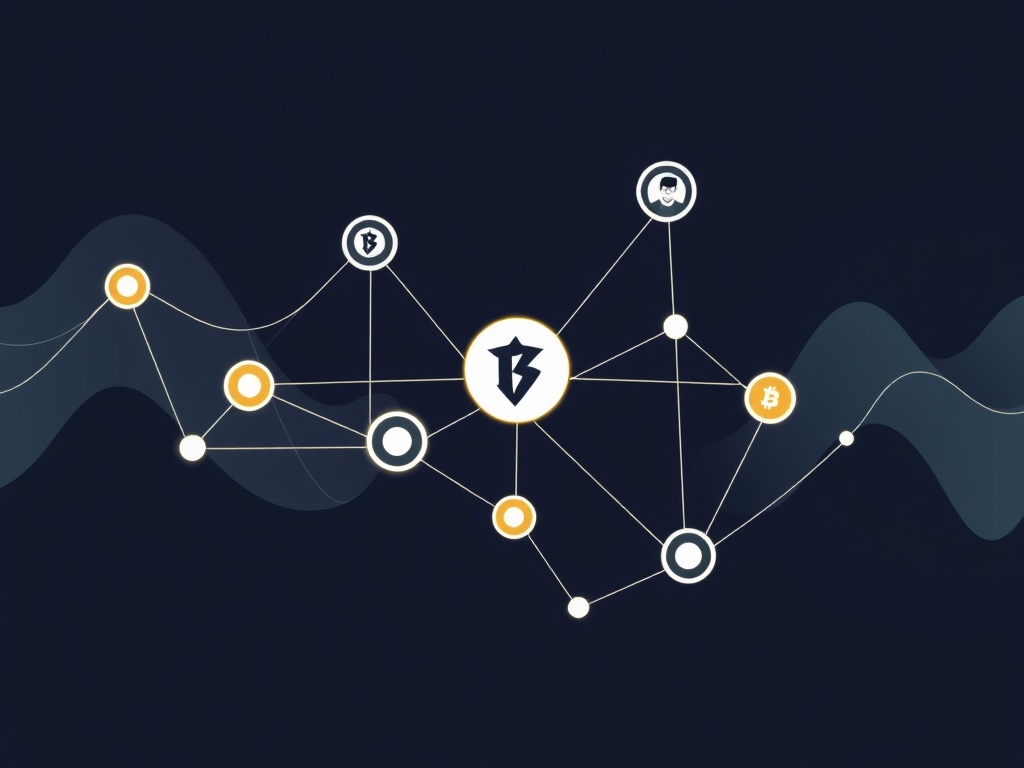
Before diving into strategies, it’s essential to understand why timing plays such a pivotal role in maintaining privacy when using Bitcoin mixers. At its core, a Bitcoin mixer works by breaking the direct link between your deposit and withdrawal addresses. However, this process is not foolproof—it relies on a combination of cryptographic techniques and user behavior.
When you withdraw funds from a mixer, the timing of your transaction can reveal critical information to observers, including:
- Correlation attacks: If your withdrawal occurs shortly after your deposit, it may be possible to link the two transactions based on timing patterns.
- Network analysis: Blockchain analysts can track transaction propagation and identify clusters of related activities, especially if withdrawals are batched or occur in predictable intervals.
- Exchange monitoring: Some exchanges and services monitor withdrawal patterns, flagging accounts that exhibit unusual or rapid transaction sequences.
By mastering the art of how to time exchange withdrawals for privacy, you can disrupt these patterns, making it exponentially harder for third parties to trace your financial activities.
---The Role of Transaction Fees in Timing Decisions
Transaction fees are often overlooked in privacy discussions, yet they play a subtle but significant role in withdrawal timing. Higher fees can expedite your transaction, but they may also draw attention due to their unusual size or timing.
Consider the following when timing withdrawals based on fees:
- Standard vs. custom fees: Using a standard fee may blend your transaction with others, reducing its visibility. Custom fees, while faster, can stand out.
- Fee market fluctuations: During periods of high network congestion, fees rise. Timing withdrawals during low-fee periods can help you avoid drawing attention to your transaction.
- Fee estimation tools: Use reliable fee estimation tools to predict optimal timing for low-cost, low-visibility transactions.
Balancing speed and discretion is key. While you may need to withdraw funds quickly in some scenarios, prioritizing privacy often means accepting slightly longer confirmation times.
---Best Practices for Timing Exchange Withdrawals for Privacy
Now that we’ve established the importance of timing, let’s explore actionable strategies to time exchange withdrawals for privacy effectively. These best practices are designed to minimize exposure while ensuring your transactions remain secure and efficient.
---1. Avoid Immediate Withdrawals: The Waiting Game
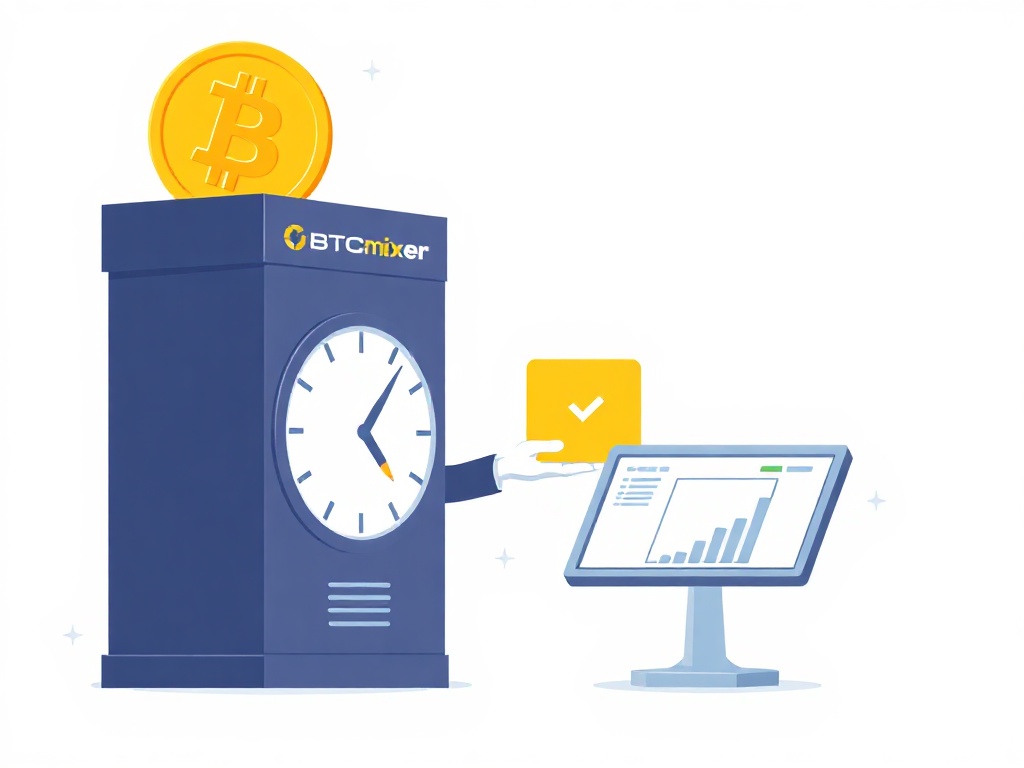
One of the most common mistakes users make is withdrawing funds from a mixer immediately after depositing them. This creates a clear, traceable link between your deposit and withdrawal addresses, defeating the purpose of using a mixer.
Instead, consider implementing a delay strategy. Here’s how to do it effectively:
- Set a minimum delay: Wait at least 24 hours before initiating a withdrawal. This breaks the immediate correlation between deposit and withdrawal.
- Use random delays: Instead of waiting exactly 24 hours, introduce variability—such as 18, 24, or 30 hours—to make your transaction less predictable.
- Monitor network conditions: If the Bitcoin network is congested, consider extending the delay to avoid drawing attention to your transaction during peak activity.
By introducing a deliberate delay, you disrupt the timeline that analysts use to link transactions, significantly enhancing your privacy.
---2. Leverage Off-Peak Hours for Withdrawals
Timing your withdrawals during off-peak hours can further obscure your transaction’s visibility. Off-peak hours typically refer to periods when network activity is lower, reducing the likelihood that your transaction will be scrutinized or correlated with other activities.
Consider the following off-peak windows:
- Late night to early morning (UTC): Between 2 AM and 6 AM UTC, network activity tends to be lower, making it an ideal time for discreet withdrawals.
- Weekends and holidays: These periods often see reduced trading volumes and transaction activity, providing cover for privacy-focused withdrawals.
- During major events: Paradoxically, withdrawing during major news events or market volatility can also help, as the increased noise may mask your transaction.
However, be cautious when timing withdrawals around major events. While noise can provide cover, it can also attract attention if your transaction stands out due to unusual timing or size.
---3. Batch Withdrawals to Blend In
Batch withdrawals—consolidating multiple transactions into a single withdrawal—can significantly enhance your privacy. This strategy works by merging your funds with those of other users, making it harder to trace individual transactions.
Here’s how to implement batch withdrawals effectively:
- Use a mixer with batch support: Not all mixers support batch withdrawals, so choose a service that allows you to combine multiple outputs into one withdrawal.
- Wait for optimal batching conditions: Some mixers allow you to specify when your withdrawal should be batched. Time this to coincide with off-peak hours or periods of high network activity.
- Avoid predictable patterns: If you always batch withdrawals at the same time, it may become easier to correlate your activities. Vary the timing slightly to maintain unpredictability.
Batch withdrawals not only reduce the number of on-chain transactions but also make it harder for analysts to link specific inputs to outputs, thereby preserving your privacy.
---4. Use Multiple Withdrawal Addresses Strategically
While the goal of a Bitcoin mixer is to obfuscate the link between your deposit and withdrawal addresses, using multiple withdrawal addresses can further enhance your privacy. This strategy, known as address diversification, helps prevent observers from linking your transactions to a single identity or wallet.
Here’s how to use multiple withdrawal addresses effectively:
- Spread withdrawals across addresses: Instead of withdrawing all funds to a single address, split them across multiple addresses. This makes it harder to trace the flow of funds.
- Use fresh addresses for each withdrawal: Avoid reusing addresses, as this can create a trail that links your transactions. Generate a new address for each withdrawal to maintain separation.
- Time withdrawals to different addresses: If you’re withdrawing to multiple addresses, stagger the timing of these withdrawals to avoid creating a clear pattern.
By diversifying your withdrawal addresses and timing them strategically, you can significantly reduce the risk of your transactions being linked to your identity.
---Advanced Techniques for Enhanced Privacy
For users who require the highest level of privacy, advanced techniques can further obscure transaction trails. These methods go beyond basic timing strategies and require a deeper understanding of Bitcoin’s privacy tools and network dynamics.
---1. CoinJoin and Wasabi Wallet Integration
CoinJoin is a privacy-enhancing technique that combines multiple transactions into a single, indistinguishable transaction. Services like Wasabi Wallet leverage CoinJoin to provide an additional layer of privacy beyond traditional mixers.
To integrate CoinJoin with your withdrawal timing strategy:
- Use CoinJoin before withdrawing: If you’re using a mixer, consider running your funds through a CoinJoin transaction before withdrawing. This adds another layer of obfuscation.
- Time CoinJoin transactions carefully: CoinJoin transactions can be large and may attract attention if timed poorly. Consider running them during off-peak hours or when network activity is high.
- Monitor CoinJoin pools: Some CoinJoin services allow you to specify when your transaction should be processed. Time this to coincide with periods of high activity to blend in with other users.
By combining CoinJoin with strategic timing, you can create a robust privacy framework that minimizes the risk of transaction correlation.
---2. Using Lightning Network for Discreet Withdrawals
The Lightning Network offers an alternative pathway for Bitcoin transactions, enabling faster and often more private transfers. While not all mixers support Lightning Network withdrawals, those that do provide an additional layer of privacy.
Here’s how to leverage the Lightning Network for discreet withdrawals:
- Choose a mixer with Lightning support: Look for mixers that allow withdrawals via the Lightning Network. This can help you avoid on-chain transaction analysis entirely.
- Time Lightning withdrawals during off-peak hours: Even on the Lightning Network, timing matters. Withdraw during periods of low activity to reduce the risk of your transaction being linked to your identity.
- Use Lightning invoices for further obfuscation: Lightning invoices can be generated and paid without revealing on-chain addresses, adding another layer of privacy.
While the Lightning Network is still evolving, it represents a powerful tool for users who prioritize privacy and efficiency in their withdrawals.
---3. Decoy Transactions and False Trails
For users facing advanced surveillance or targeted attacks, creating decoy transactions can help mislead observers and protect your true financial activities. This technique involves generating false transaction trails that divert attention away from your actual withdrawals.
Here’s how to implement decoy transactions:
- Create small, frequent transactions: Send small amounts of Bitcoin to various addresses at irregular intervals. These transactions should appear unrelated to your main activities.
- Use mixers for decoy transactions: Run some of your decoy transactions through mixers to further obscure their origins. This can help create a web of false trails that confuse analysts.
- Time decoy transactions unpredictably: Avoid creating a pattern with your decoy transactions. Vary the timing, amounts, and addresses to make it harder to distinguish them from your real transactions.
While decoy transactions require additional effort and resources, they can be highly effective in high-risk scenarios where privacy is paramount.
---Common Mistakes to Avoid When Timing Withdrawals
Even with the best strategies in place, certain mistakes can undermine your efforts to time exchange withdrawals for privacy. Being aware of these pitfalls can help you avoid costly errors and maintain your anonymity.
---1. Over-Reliance on a Single Mixer
Using the same mixer repeatedly can create a pattern that links your transactions over time. Mixers often have unique characteristics, such as specific transaction sizes or timing patterns, that can be identified by persistent observers.
To avoid this mistake:
- Rotate between mixers: Use different mixers for different transactions to avoid creating a recognizable pattern.
- Vary transaction sizes: Avoid using the same amount repeatedly, as this can make it easier to link your transactions.
- Monitor mixer reputations: Some mixers may have better privacy guarantees than others. Rotate between trusted services to minimize risk.
By diversifying your mixer usage, you reduce the likelihood that your transactions will be linked to a single service or pattern.
---2. Ignoring Network-Level Privacy
Timing your withdrawals is just one aspect of maintaining privacy. Network-level factors, such as IP address tracking and transaction propagation, can also expose your identity if not addressed.
To enhance network-level privacy:
- Use a VPN or Tor: Always access mixers and exchanges through a VPN or Tor to mask your IP address.
- Monitor transaction propagation: Use tools like mempool.space to track how your transactions propagate through the network. Avoid transactions that stand out due to unusual propagation patterns.
- Avoid public Wi-Fi: Public networks can expose your activities to third parties. Use a secure, private connection when initiating withdrawals.
Network-level privacy is just as important as timing when it comes to maintaining anonymity in Bitcoin transactions.
---3. Failing to Secure Your Withdrawal Addresses
Even with perfect timing, your privacy can be compromised if your withdrawal addresses are not properly secured. Address reuse, poor wallet management, and lack of encryption can all expose your transactions to risk.
To secure your withdrawal addresses:
- Use hierarchical deterministic (HD) wallets: HD wallets generate fresh addresses for each transaction, reducing the risk of address reuse.
- Encrypt your wallet: Always encrypt your wallet with a strong passphrase to prevent unauthorized access.
- Use hardware wallets: Hardware wallets provide an additional layer of security, protecting your private keys from malware and theft.
By securing your withdrawal addresses, you ensure that even if your timing strategies are compromised, your funds remain safe and private.
---Tools and Resources for Timing Exchange Withdrawals
To implement the strategies discussed in this guide, you’ll need access to the right tools and resources. Below are some of the most effective tools for timing exchange withdrawals for privacy, along with tips on how to use them effectively.
---1. Bitcoin Mixers and Tumblers
Bitcoin mixers are the cornerstone of privacy-focused withdrawals. Below are some of the most reputable mixers available, along with their key features:
- Wasabi Wallet: A privacy-focused Bitcoin wallet that integrates CoinJoin for enhanced anonymity. Supports batch transactions and allows users to specify timing for CoinJoin rounds.
- Samourai Wallet: Another privacy-focused wallet that offers features like Stonewall and PayJoin to obfuscate transaction trails. Supports manual timing for transactions.
- JoinMarket: A decentralized CoinJoin implementation that allows users to create and participate in privacy-enhancing transactions. Offers advanced timing controls for participants.
- Bitcoin Mixer (bitcoinmixer.io): A dedicated Bitcoin mixer that allows users to specify withdrawal timing and batch transactions. Supports custom delays and off-peak withdrawals.
- Blender.io: A user-friendly mixer that offers features like delayed withdrawals, batch transactions, and multiple output addresses. Ideal for users new to privacy-focused withdrawals.
When choosing a mixer, prioritize services with strong privacy guarantees, transparent fee structures, and support for advanced timing features.
---2. Fee Estimation Tools
Transaction fees play a crucial role in timing your withdrawals. Below are some of the best fee estimation tools to help you time your transactions effectively:
- mempool.space: A real-time Bitcoin mempool explorer that provides detailed fee estimates based on current network conditions. Helps you identify optimal timing for low-fee transactions.
- BitcoinFees.earn.com: A simple tool that estimates the fastest and cheapest transaction fees based on current network activity.
- Blockchain.com Fee Calculator: Provides fee estimates and allows you to adjust transaction size and urgency to find the best timing for your withdrawal.
- 21.co Fee Estimator: A comprehensive tool that offers dynamic fee estimates and recommendations for optimal transaction timing.
Using these tools, you can identify periods of low network activity and time your withdrawals accordingly to minimize fees and maximize privacy.
---3. Privacy-Focused Wallets
Your choice of wallet can significantly impact your ability to time withdrawals for privacy. Below are some of the best privacy-focused wallets to complement your timing strategies:
- Wasabi Wallet: As mentioned earlier, Wasabi Wallet is a leading privacy-focused wallet that integrates CoinJoin and supports advanced timing controls for transactions.
- Samourai Wallet: Samourai offers features like Stonewall and PayJoin, which help obfuscate transaction trails. It also supports manual timing for transactions and address rotation.
- Electrum (with privacy plugins): The Electrum wallet can be enhanced with privacy plugins like Electrum Personal Server and CoinJoin
 Emily ParkerCrypto Investment Advisor
How to Time Exchange Withdrawals for Privacy: A Strategic Approach for Crypto Investors
As a certified financial analyst with over a decade of experience in cryptocurrency investment strategies, I’ve seen firsthand how timing exchange withdrawals can significantly enhance privacy for investors. The key lies in understanding blockchain transparency and the traceability of transactions. When you withdraw funds from an exchange, the transaction is recorded on the public ledger, which can reveal patterns if not managed carefully. To mitigate this, I recommend staggering withdrawals over time rather than consolidating large amounts in a single transaction. This approach dilutes the trail of your holdings, making it harder for third parties to track your entire portfolio. Additionally, consider using exchanges with built-in privacy features or those that support privacy coins like Monero, which can further obscure transaction details.
Another critical factor is aligning your withdrawal schedule with periods of lower network activity. During high-traffic times, such as major market rallies or regulatory announcements, transaction volumes surge, making it easier for prying eyes to blend in. Conversely, withdrawing during off-peak hours can reduce the likelihood of your transactions being singled out. I also advise investors to diversify their withdrawal destinations—using multiple wallets or cold storage solutions—to avoid creating a single point of failure. By implementing these strategies, you can better protect your financial privacy while maintaining operational efficiency. Remember, privacy in crypto isn’t just about hiding; it’s about controlling the narrative of your financial footprint.