In the ever-evolving landscape of cryptocurrency, privacy remains a cornerstone for users seeking financial anonymity. Among the plethora of privacy-focused coins, Monero (XMR) stands out as a pioneer, offering robust, untraceable transactions that shield users from prying eyes. This Monero privacy review delves into the technical intricacies, real-world applications, and potential vulnerabilities of XMR, providing a comprehensive analysis for both newcomers and seasoned crypto enthusiasts.
As governments and corporations intensify surveillance over financial transactions, the demand for truly private digital currencies has never been higher. Monero, with its ring signatures, stealth addresses, and confidential transactions, has positioned itself as the gold standard in privacy coins. But does it live up to the hype? This Monero privacy review explores its strengths, weaknesses, and future prospects in 2024.
Why Monero Dominates the Privacy Coin Market
Monero’s dominance in the privacy coin niche is not accidental—it’s the result of meticulous cryptographic innovation and a commitment to user anonymity. Unlike Bitcoin, where transactions are publicly traceable, Monero ensures that every transaction is obfuscated by default. This section of our Monero privacy review breaks down the core technologies that make XMR the top choice for privacy-conscious users.
The Power of Ring Signatures in Monero
At the heart of Monero’s privacy mechanism lies ring signatures, a cryptographic tool that obscures the true sender of a transaction. Unlike traditional digital signatures, which reveal the identity of the signer, ring signatures mix a user’s private key with a group of other public keys, creating a "ring" of potential signers. This makes it computationally infeasible to determine which key was actually used to sign the transaction.
Key advantages of ring signatures in Monero include:
- Untraceability: Transactions cannot be linked to a specific sender, ensuring financial privacy.
- Decentralization: No central authority controls the mixing process, preventing censorship or manipulation.
- Scalability: Ring signatures do not require additional transactions, unlike mixers or tumblers in other cryptocurrencies.
However, critics argue that ring signatures alone may not be sufficient against advanced blockchain analysis. Some researchers have proposed that transaction graph analysis—tracking patterns in spending behavior—could still pose a risk. Monero’s development team has addressed this by continuously refining its protocol, including the introduction of Ring Confidential Transactions (RingCT), which further enhances privacy by hiding transaction amounts.
Stealth Addresses: The Invisible Shield for Recipients
Another critical feature in our Monero privacy review is stealth addresses, which ensure that the recipient’s identity remains hidden on the blockchain. When a user receives XMR, Monero generates a one-time, unique address that is not publicly linked to their wallet. This means that even if someone examines the blockchain, they cannot determine who received the funds or how much was sent.
The process works as follows:
- A sender generates a stealth address using the recipient’s public view key and a random data string.
- The transaction is broadcast to the network with the stealth address as the destination.
- The recipient’s wallet scans the blockchain for transactions associated with their private view key, identifying incoming funds without revealing their identity.
This mechanism is particularly valuable for businesses and individuals operating in regions with strict financial regulations. For example, journalists, activists, or whistleblowers can receive payments without fear of retaliation. However, it’s important to note that while stealth addresses protect recipient privacy, they do not obscure the transaction amount—this is where confidential transactions come into play.
Confidential Transactions: Hiding the Transaction Amount
Monero’s confidential transactions (CT) technology, introduced in 2017, ensures that the amount transferred in a transaction remains hidden from public view. Unlike Bitcoin, where transaction values are visible on the blockchain, Monero obscures them using Pedersen commitments, a cryptographic method that allows verification of transaction validity without revealing the actual amount.
How confidential transactions work:
- A sender commits to a transaction amount without revealing it publicly.
- The recipient’s wallet can verify that the transaction is valid (i.e., the sender has sufficient funds) without knowing the exact amount.
- Only the sender and recipient know the transaction value, ensuring complete financial privacy.
This feature is a game-changer for users who wish to keep their financial dealings confidential. Whether it’s a high-value transaction or a series of smaller payments, Monero ensures that the blockchain does not leak sensitive financial data. However, some critics argue that confidential transactions could be exploited for illicit activities, a concern we’ll address later in this Monero privacy review.
Monero vs. Other Privacy Coins: A Comparative Analysis
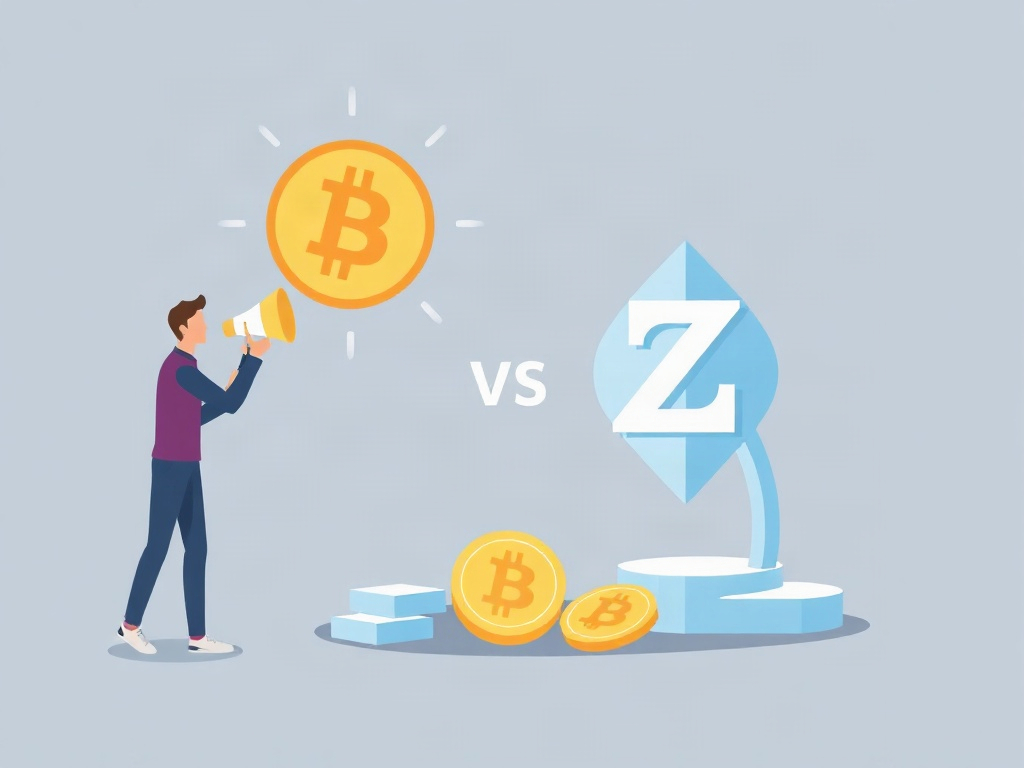
While Monero is the most well-known privacy coin, it’s not the only one. Coins like Zcash, Dash, and Pirate Chain also offer varying degrees of anonymity. This section of our Monero privacy review compares Monero to its competitors, highlighting its unique advantages and potential drawbacks.
Monero vs. Zcash: Transparency vs. Default Privacy
Zcash, another leading privacy coin, offers two types of transactions: transparent (similar to Bitcoin) and shielded (private). Users must explicitly choose to use shielded transactions, which rely on zk-SNARKs (zero-knowledge proofs) to obscure transaction details. In contrast, Monero’s privacy features are enabled by default, meaning every transaction is private unless the user explicitly opts out (which is not possible in most wallets).
Advantages of Monero over Zcash:
- Default Privacy: No action is required from the user to ensure transaction privacy.
- No Trusted Setup: Zcash’s zk-SNARKs require a trusted setup ceremony, which has raised concerns about potential backdoors. Monero does not rely on such setups.
- Active Development: Monero’s development team is highly active, with frequent updates and improvements to its privacy protocols.
However, Zcash has its own strengths, such as faster transaction times and lower fees in some cases. Additionally, Zcash’s optional privacy model may appeal to users who want the option to transact publicly. For those seeking the highest level of default privacy, Monero remains the superior choice in this Monero privacy review.
Monero vs. Dash: Privacy as an Add-On
Dash, originally a Bitcoin fork, offers a privacy feature called PrivateSend, which mixes transactions using a decentralized network of masternodes. While this provides some level of anonymity, it is not as robust as Monero’s default privacy mechanisms. PrivateSend transactions can still be traced if the mixing process is compromised or if an attacker controls a significant portion of the masternode network.
Key differences between Monero and Dash:
- Privacy by Default: Monero’s privacy is automatic, whereas Dash requires users to manually enable PrivateSend.
- Decentralization: Monero’s ring signatures and stealth addresses do not rely on a centralized mixing service, making it more resistant to censorship.
- Adoption: Monero is widely recognized as the leading privacy coin, with greater merchant adoption and liquidity.
For users who prioritize guaranteed privacy, Monero is the clear winner in this comparison. Dash’s privacy features, while useful, are not as comprehensive or reliable as those offered by XMR.
Monero vs. Pirate Chain: The Battle of Ring Signatures vs. zk-SNARKs
Pirate Chain (ARRR) is a newer privacy coin that also prioritizes anonymity, using a combination of zk-SNARKs and shielded transactions. While Pirate Chain offers strong privacy guarantees, it has not yet achieved the same level of adoption or development maturity as Monero. Additionally, Pirate Chain’s reliance on zk-SNARKs introduces the same trusted setup concerns as Zcash.
Why Monero remains ahead in this Monero privacy review:
- Battle-Tested Technology: Monero has been in development since 2014 and has undergone extensive peer review.
- Community Support: Monero boasts one of the most active and dedicated communities in the crypto space, driving continuous improvements.
- Real-World Use: Monero is accepted by more merchants, exchanges, and services than most other privacy coins.
While Pirate Chain and other emerging privacy coins show promise, Monero’s proven track record and robust privacy features make it the most reliable choice for users seeking financial anonymity.
Real-World Use Cases for Monero: Who Needs XMR?
Monero’s privacy features make it an ideal choice for a wide range of users, from individuals seeking financial freedom to businesses operating in regulated industries. This section of our Monero privacy review explores the most compelling use cases for XMR in 2024.
Individuals Seeking Financial Privacy
For everyday users, Monero provides a way to transact without exposing their financial history to banks, governments, or data brokers. This is particularly valuable in countries with strict capital controls or authoritarian regimes where financial surveillance is rampant. Some key scenarios where Monero shines include:
- Salary Payments: Freelancers and remote workers can receive payments without their employers or tax authorities tracking their income.
- Online Purchases: Privacy-conscious shoppers can buy goods and services without revealing their spending habits to advertisers or payment processors.
- Gifts and Donations: Users can send money to friends, family, or charitable organizations without the transaction being publicly linked to them.
Monero’s wallet ecosystem, including Monero GUI, Monero CLI, and lightweight options like MyMonero, makes it accessible to users of all technical levels. Additionally, the Monero community provides extensive guides and support for those new to privacy coins.
Businesses and Merchants: Protecting Sensitive Transactions
Businesses, especially those in high-risk industries like gambling, adult entertainment, or cannabis, often face financial censorship or discrimination from traditional payment processors. Monero offers a solution by allowing these businesses to accept payments without exposing their financial data to banks or regulators.
Benefits for businesses using Monero:
- Lower Fees: Monero transactions typically have lower fees than traditional payment processors like Visa or PayPal.
- No Chargebacks: Unlike credit card transactions, Monero payments are irreversible, reducing fraud risk for merchants.
- Global Accessibility: Monero can be sent and received anywhere in the world without intermediaries, making it ideal for international transactions.
Several businesses already accept Monero, including VPN providers, privacy-focused exchanges, and even some e-commerce platforms. As adoption grows, more merchants are likely to integrate XMR into their payment systems.
Journalists, Activists, and Whistleblowers: The Ultimate Tool for Anonymity
In regions with oppressive regimes, journalists, activists, and whistleblowers face severe risks when conducting financial transactions. Monero provides a lifeline by ensuring that their financial activities remain completely anonymous. For example:
- Funding Independent Media: Journalists in countries with state-controlled media can receive donations without fear of retaliation.
- Supporting Human Rights Organizations: Activists can receive funds for their causes without their financial ties being exposed.
- Protecting Whistleblowers: Individuals exposing corporate or government misconduct can receive payments anonymously, reducing the risk of persecution.
Monero’s Kovri project (now integrated into the main Monero codebase) further enhances anonymity by routing transactions through the I2P network, making it nearly impossible to trace IP addresses associated with Monero transactions. This is particularly valuable for users in high-risk environments.
Cryptocurrency Mixers and Privacy Advocates
While Monero itself is a privacy coin, some users combine it with cryptocurrency mixers (like Wasabi Wallet or Samourai Wallet) for an additional layer of anonymity. For example, a user could first mix Bitcoin through a tumbler and then convert it to Monero, further obscuring the transaction trail. This multi-layered approach is favored by privacy maximalists who seek the highest level of financial anonymity.
However, it’s important to note that using Monero in conjunction with mixers may raise red flags with exchanges or regulators, as they often flag mixed funds as "high-risk." Users should exercise caution and research the legal implications of such strategies in their jurisdiction.
Potential Risks and Limitations of Monero Privacy
No technology is perfect, and Monero, despite its robust privacy features, is not without its challenges. This section of our Monero privacy review examines the potential risks, limitations, and criticisms of XMR, providing a balanced perspective for users.
Regulatory Scrutiny and Exchange Delistings
One of the biggest threats to Monero’s adoption is regulatory pressure. Governments and financial authorities have increasingly targeted privacy coins, citing concerns over money laundering and illicit activities. Some exchanges, such as Bittrex and Kraken, have delisted Monero in certain jurisdictions, limiting its accessibility for users in those regions.
Key regulatory challenges for Monero:
- Anti-Money Laundering (AML) Laws: Some countries, like South Korea and Japan, have banned or restricted privacy coins, including Monero.
- Exchange Policies: Many centralized exchanges require users to undergo KYC (Know Your Customer) verification, which defeats the purpose of using a privacy coin.
- Future Regulations: As governments crack down on financial privacy, Monero may face further restrictions or outright bans in some regions.
Despite these challenges, Monero’s decentralized nature means it cannot be easily shut down. Users in restricted regions can still access XMR through decentralized exchanges (DEXs), atomic swaps, or peer-to-peer (P2P) trading platforms like LocalMonero.
Traceability Risks: Can Monero Transactions Be De-Anonymized?
While Monero’s privacy features are robust, some researchers have explored potential vulnerabilities that could, in theory, de-anonymize transactions. One such concern is the transaction graph analysis, where an attacker analyzes patterns in spending behavior to link transactions to real-world identities.
For example:
- If a user spends a portion of their Monero at a regulated exchange (where KYC is required), the exchange could potentially link their XMR address to their identity.
- If a user receives funds from a non-private source (e.g., Bitcoin mixed through a tumbler), the transaction trail could be traced back to the original source.
To mitigate these risks, Monero’s development team has implemented several improvements, including:
- Dynamic Ring Sizes: Ring sizes (the number of decoy signatures in a transaction) are now adaptive, making it harder to analyze transaction patterns.
- Triptych and Arcturus: New cryptographic protocols are being tested to further enhance privacy and scalability.
While no system is 100% foolproof, Monero’s continuous innovation makes it increasingly difficult for attackers to breach its privacy protections.
Mining Centralization and ASIC Resistance
Monero was designed to be ASIC-resistant, meaning it cannot be efficiently mined with specialized hardware like ASICs (Application-Specific Integrated Circuits). Instead, Monero relies on RandomX, a proof-of-work (PoW) algorithm optimized for CPUs, ensuring that mining remains accessible to individual users.
However, mining centralization remains a concern. As of 2024, a significant portion of Monero’s hash rate is controlled by a few large mining pools, such as MineXMR and MoneroOcean. This could potentially lead to a 51% attack if a single entity gains majority control of the network.

As a certified financial analyst with over a decade of experience guiding investors through the complexities of digital assets, I’ve closely examined Monero’s privacy mechanisms through my Monero privacy review. Monero stands out in the crowded cryptocurrency landscape for its unwavering commitment to financial privacy, a feature that is increasingly critical in an era where surveillance and data monetization are pervasive. Unlike Bitcoin or Ethereum, which offer pseudonymous transactions at best, Monero employs cutting-edge cryptographic techniques—such as ring signatures, stealth addresses, and confidential transactions—to obscure sender identities, recipient details, and transaction amounts. This level of privacy isn’t just theoretical; it’s been rigorously tested and refined over years of peer-reviewed development and real-world adoption. For investors prioritizing anonymity, Monero isn’t just an option—it’s a necessity.
From a practical investment perspective, Monero’s privacy features present both opportunities and challenges. On the one hand, its robust privacy protections make it a favored tool for individuals in restrictive financial environments, activists, and businesses seeking to safeguard sensitive transactions. This utility drives demand, particularly in regions with capital controls or authoritarian regimes. On the other hand, Monero’s association with illicit activities has led to exchange delistings and regulatory scrutiny, which can impact liquidity and market access. Investors must weigh these factors carefully. In my advisory work, I recommend a balanced approach: allocate a modest portion of a crypto portfolio to Monero for its unique privacy advantages, but diversify across more widely accepted assets to mitigate regulatory risks. Ultimately, a thorough Monero privacy review confirms that while Monero remains the gold standard for privacy in crypto, its long-term viability hinges on navigating an evolving regulatory landscape without compromising its core principles.