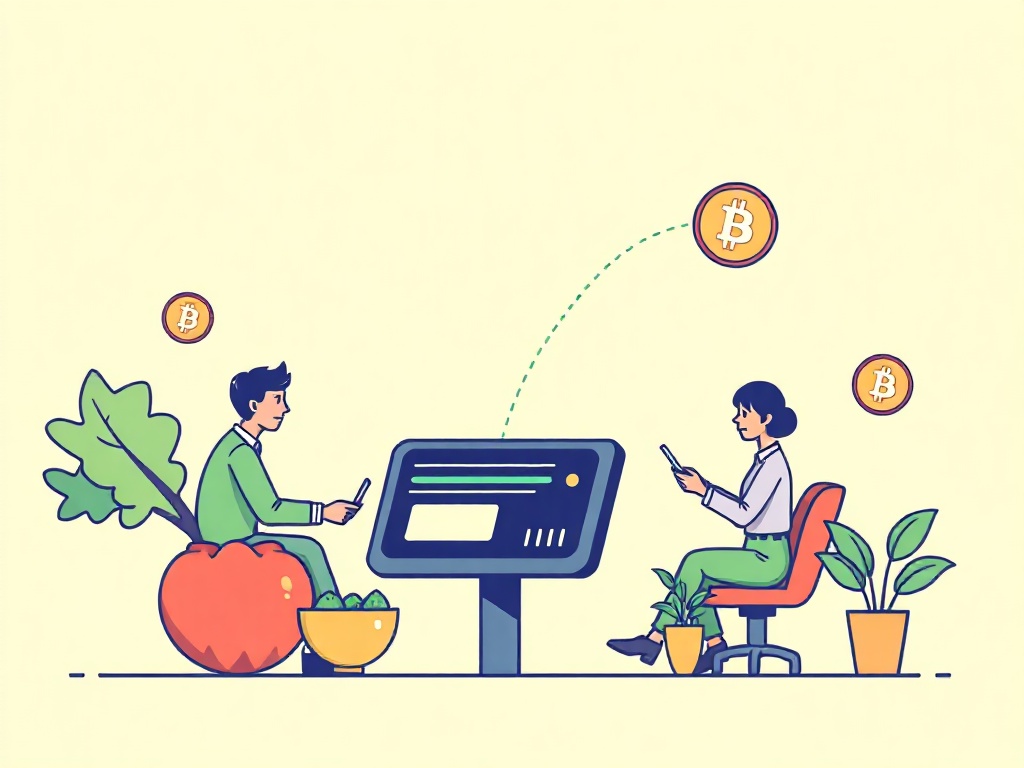
The concept of a digital cash system has transformed the way we perceive money, transactions, and financial privacy. As digital currencies gain traction, understanding the intricacies of a digital cash system becomes essential for investors, technologists, and everyday users alike. This comprehensive guide explores the evolution, mechanics, benefits, and challenges of digital cash systems, with a focus on privacy, security, and decentralization.
In an era where financial surveillance and data breaches are rampant, a digital cash system offers a promising alternative to traditional banking. By leveraging cryptographic principles and blockchain technology, these systems enable peer-to-peer transactions without intermediaries. Whether you're a seasoned crypto enthusiast or a curious newcomer, this article will provide valuable insights into the world of digital cash systems.
The Evolution of Digital Cash: From Barter to Blockchain
The Origins of Digital Money
The idea of digital cash predates Bitcoin by decades. In the 1980s and 1990s, cryptographers like David Chaum pioneered digital currency concepts through projects like DigiCash. Chaum's work introduced the concept of blind signatures, a cryptographic method that allowed for anonymous transactions—a foundational principle in modern digital cash systems.
However, early attempts at digital cash failed due to scalability issues, regulatory hurdles, and the lack of a decentralized infrastructure. It wasn't until the launch of Bitcoin in 2009 that a viable digital cash system emerged, combining cryptography, decentralization, and a public ledger to create a trustless financial network.
Key Milestones in Digital Cash Development
- 2009: Bitcoin's genesis block is mined, introducing the first decentralized digital cash system.
- 2011: Litecoin launches, offering faster transaction times and a different hashing algorithm.
- 2014: Ethereum introduces smart contracts, enabling programmable money within digital cash systems.
- 2017: The rise of privacy-focused coins like Monero and Zcash, enhancing anonymity in digital cash transactions.
- 2020: Central Bank Digital Currencies (CBDCs) gain attention, representing a government-controlled alternative to decentralized digital cash systems.
These milestones highlight the growing diversity and sophistication of digital cash systems, each addressing different needs—from speed and scalability to privacy and regulatory compliance.
How a Digital Cash System Works: The Technology Behind the Innovation
Blockchain: The Backbone of Digital Cash
A digital cash system relies on blockchain technology to maintain a transparent and immutable ledger of transactions. Unlike traditional banking systems, where a central authority validates transactions, blockchain distributes this responsibility across a network of nodes. Each transaction is grouped into a block and added to the chain after being verified by consensus mechanisms such as Proof of Work (PoW) or Proof of Stake (PoS).
In a digital cash system, every participant can view the transaction history, but the identities behind the addresses remain pseudonymous. This transparency ensures security while preserving a degree of privacy—a critical feature for users seeking financial autonomy.
Cryptographic Security in Digital Cash Systems
Security is the cornerstone of any reliable digital cash system. Cryptographic techniques such as public-key cryptography and hash functions protect transactions from fraud and double-spending. Here’s how it works:
- Public and Private Keys: Users generate a pair of cryptographic keys—a public key (shared openly) and a private key (kept secret). The private key is used to sign transactions, proving ownership without revealing the key itself.
- Digital Signatures: Transactions are signed with the private key, creating a unique digital signature. This signature is verified by the network using the public key, ensuring the transaction is legitimate.
- Hash Functions: Each block in the blockchain contains a cryptographic hash of the previous block, creating a tamper-proof chain. Any attempt to alter a transaction would require changing all subsequent blocks, which is computationally infeasible.
These cryptographic safeguards make digital cash systems highly resistant to hacking and fraud, providing users with confidence in their financial transactions.
Consensus Mechanisms: Ensuring Trust in a Decentralized System
A digital cash system must have a mechanism to agree on the state of the ledger. Different consensus models serve this purpose:
- Proof of Work (PoW): Used by Bitcoin, PoW requires miners to solve complex mathematical puzzles to validate transactions. While secure, it consumes significant energy.
- Proof of Stake (PoS): Adopted by Ethereum 2.0 and other networks, PoS selects validators based on the amount of cryptocurrency they "stake" as collateral. This method is more energy-efficient than PoW.
- Delegated Proof of Stake (DPoS): Used by platforms like EOS, DPoS involves elected delegates who validate transactions, offering faster speeds but requiring trust in the delegates.
- Byzantine Fault Tolerance (BFT): Employed in private blockchains, BFT ensures consensus even if some nodes act maliciously or fail.
The choice of consensus mechanism impacts the speed, security, and decentralization of a digital cash system, making it a critical consideration for developers and users.
Types of Digital Cash Systems: From Bitcoin to Privacy Coins
Bitcoin: The Pioneer of Decentralized Digital Cash
Bitcoin remains the most well-known digital cash system, often referred to as "digital gold." Its primary features include:
- Decentralization: No single entity controls the network, reducing censorship risks.
- Limited Supply: Only 21 million bitcoins will ever exist, making it a deflationary asset.
- Pseudonymity: Transactions are linked to addresses rather than real-world identities, though not fully anonymous.
- Immutability: Once confirmed, transactions cannot be reversed, providing strong security against fraud.
While Bitcoin excels in security and decentralization, its scalability issues (slow transaction speeds and high fees) have led to the development of alternative digital cash systems.
Privacy-Focused Digital Cash Systems
For users prioritizing anonymity, privacy coins offer enhanced features within their digital cash systems. Notable examples include:
- Monero (XMR): Uses ring signatures and stealth addresses to obscure sender and receiver identities. Transactions are untraceable, making Monero a leading choice for privacy-conscious users.
- Zcash (ZEC): Implements zk-SNARKs (zero-knowledge proofs) to allow selective transparency. Users can choose between transparent and shielded transactions.
- Dash (DASH): Offers a "PrivateSend" feature that mixes transactions to enhance anonymity, though it is less private than Monero or Zcash.
These digital cash systems cater to users who value financial privacy, often at the cost of regulatory scrutiny and adoption challenges.
Stablecoins: Bridging Traditional Finance and Digital Cash
Stablecoins represent a different category of digital cash systems, designed to minimize price volatility by pegging their value to fiat currencies like the US dollar. Examples include:
- Tether (USDT): Pegged 1:1 to the USD, widely used for trading and liquidity.
- USD Coin (USDC): Backed by regulated financial institutions, offering transparency and compliance.
- Dai (DAI): A decentralized stablecoin collateralized by other cryptocurrencies, maintaining stability through smart contracts.
Stablecoins serve as a bridge between traditional finance and digital cash systems, enabling seamless transactions without the volatility of assets like Bitcoin.
Central Bank Digital Currencies (CBDCs): The Government-Backed Alternative
Unlike decentralized digital cash systems, CBDCs are digital versions of fiat currencies issued and controlled by central banks. Countries like China (digital yuan) and the European Union (digital euro) are exploring CBDCs to modernize payment systems and combat illicit activities.
While CBDCs offer benefits such as faster settlements and reduced costs, they also raise concerns about surveillance, financial censorship, and loss of privacy—key issues that decentralized digital cash systems aim to address.
Advantages of Using a Digital Cash System
Financial Sovereignty and Censorship Resistance
One of the most compelling benefits of a digital cash system is financial sovereignty. Users gain full control over their funds without relying on banks or payment processors. This autonomy is particularly valuable in regions with unstable banking systems or oppressive regimes.
A digital cash system also resists censorship. Transactions cannot be frozen or reversed by authorities, making it an essential tool for dissidents, journalists, and individuals in conflict zones. For example, during political unrest in Venezuela or Nigeria, citizens have turned to digital cash systems to preserve their wealth and access goods and services.
Lower Transaction Costs and Faster Settlements
Traditional cross-border transactions can take days and incur high fees. In contrast, a digital cash system enables near-instant settlements at a fraction of the cost. For businesses and freelancers operating globally, this efficiency translates to significant savings and improved cash flow.
For instance, sending $1,000 via a digital cash system like Bitcoin or Litecoin might cost a few dollars and take minutes, whereas a bank wire could take 3-5 business days and cost $20-$50 in fees.
Enhanced Security and Fraud Prevention
Traditional payment systems are vulnerable to fraud, chargebacks, and identity theft. A digital cash system mitigates these risks through cryptographic security and irreversible transactions. Once a transaction is confirmed on the blockchain, it cannot be altered or reversed without the recipient's consent.
Additionally, the decentralized nature of a digital cash system eliminates single points of failure. Unlike banks, which can be hacked or go bankrupt, blockchain networks distribute data across thousands of nodes, making them highly resilient to attacks.
Accessibility and Financial Inclusion
Approximately 1.7 billion people worldwide lack access to traditional banking services. A digital cash system provides an inclusive financial alternative, allowing anyone with an internet connection to participate in the global economy. Mobile-based digital cash systems, such as those in Kenya (M-Pesa) and the Philippines (GCash), have already demonstrated the potential to uplift underserved communities.
For the unbanked, a digital cash system offers a secure way to store value, receive payments, and conduct transactions without needing a physical bank account.
Programmability and Smart Contracts
Modern digital cash systems like Ethereum and Cardano support smart contracts—self-executing agreements written in code. These contracts enable automated transactions based on predefined conditions, opening up new possibilities such as decentralized finance (DeFi), tokenized assets, and decentralized autonomous organizations (DAOs).
For example, a digital cash system user could set up a smart contract to automatically pay rent on the first day of every month, eliminating the need for manual transactions and reducing the risk of late fees.
Challenges and Risks of Digital Cash Systems
Regulatory Uncertainty and Compliance Issues
Governments worldwide are grappling with how to regulate digital cash systems. While some countries embrace innovation (e.g., El Salvador adopting Bitcoin as legal tender), others impose strict regulations or outright bans. Compliance with anti-money laundering (AML) and know-your-customer (KYC) laws can be challenging for decentralized digital cash systems, which prioritize privacy.
For users, this regulatory uncertainty can lead to sudden policy changes, frozen assets, or legal repercussions. For instance, exchanges in certain jurisdictions may be required to report transactions above a certain threshold, compromising the anonymity that some digital cash systems promise.
Scalability and Performance Limitations
Many early digital cash systems, including Bitcoin, face scalability issues. The Bitcoin network can process only 7 transactions per second (TPS), compared to Visa's 24,000 TPS. While solutions like the Lightning Network aim to address this, they introduce new complexities and potential security risks.
Similarly, Ethereum's high gas fees during periods of congestion have driven users toward alternative digital cash systems with lower costs. Scalability remains a critical hurdle for widespread adoption of digital cash systems as a global payment solution.
Security Vulnerabilities and Scams
Despite their robust cryptographic foundations, digital cash systems are not immune to security risks. Common threats include:
- Phishing Attacks: Fraudsters trick users into revealing private keys or seed phrases through fake websites or emails.
- Exchange Hacks: Centralized exchanges holding large amounts of cryptocurrency have been targeted by hackers, resulting in significant losses (e.g., Mt. Gox, Coincheck).
- Smart Contract Exploits: Vulnerabilities in smart contracts can be exploited to drain funds, as seen in the DAO hack of 2016.
- Rug Pulls and Exit Scams: In decentralized finance (DeFi), malicious developers may abandon a project after collecting investor funds.
Users must exercise caution, employ best security practices (e.g., hardware wallets, two-factor authentication), and conduct thorough research before engaging with a digital cash system.
Environmental Concerns and Energy Consumption
Proof of Work (PoW) digital cash systems, particularly Bitcoin, have faced criticism for their environmental impact. The energy consumption of Bitcoin mining rivals that of entire countries, raising concerns about carbon footprints and sustainability.
While some digital cash systems are transitioning to more eco-friendly consensus mechanisms like Proof of Stake (e.g., Ethereum 2.0), the debate over energy use continues. Critics argue that the environmental cost outweighs the benefits, while proponents highlight the potential for renewable energy integration in mining operations.
Volatility and Speculative Nature
Most digital cash systems are highly volatile, with prices fluctuating dramatically based on market sentiment, regulatory news, or technological developments. While volatility presents opportunities for traders, it poses risks for users seeking stability.
For example, Bitcoin's price has swung from $3,000 to nearly $70,000 within a few years. This unpredictability makes digital cash systems less suitable as a medium of exchange for everyday transactions in some contexts. Stablecoins and CBDCs aim to mitigate this issue, but they come with their own trade-offs.
How to Choose the Right Digital Cash System for Your Needs
Assessing Your Primary Use Case
Not all digital cash systems serve the same purpose. Your choice should align with your goals:
- Investment and Store of Value: Bitcoin and Ethereum are popular choices due to their established track records and widespread adoption.
- Privacy and Anonymity: Monero, Zcash, or Dash may be preferable for users prioritizing financial privacy.
- Fast and Cheap Transactions: Litecoin, Bitcoin Cash, or Stellar offer lower fees and faster confirmation times.
- Smart Contracts and DeFi: Ethereum, Solana, or Cardano provide the infrastructure for decentralized applications.
- Stability and Everyday Use: Stablecoins like USDC or DAI are ideal for avoiding volatility.
Define your objectives before selecting a digital cash system to ensure it meets your requirements.
Evaluating Security and Decentralization
 Robert Hayes
DeFi & Web3 Analyst
Robert Hayes
DeFi & Web3 Analyst
The Future of Money: Why a Digital Cash System is the Backbone of Web3
As a DeFi and Web3 analyst, I’ve spent years dissecting the evolution of monetary systems beyond traditional finance. A robust digital cash system isn’t just a technological novelty—it’s the foundational layer that enables true financial sovereignty in a decentralized world. Unlike legacy payment rails, which are slow, permissioned, and often extractive, a well-designed digital cash system leverages blockchain’s immutability and cryptographic security to facilitate instant, censorship-resistant transactions. Projects like Bitcoin and Monero have already demonstrated the demand for decentralized money, but the next frontier lies in programmable, interoperable cash—tokens that aren’t just stores of value but dynamic instruments for liquidity, governance, and economic coordination. The key challenge isn’t just building the system; it’s ensuring it scales without sacrificing decentralization or user experience.
From a practical standpoint, the integration of a digital cash system into DeFi protocols unlocks unprecedented composability. Imagine a stablecoin that dynamically adjusts its supply based on real-time demand, or a privacy-preserving token that settles cross-border payments in seconds without intermediaries. Yet, adoption hinges on three critical factors: liquidity depth, regulatory clarity, and user-friendly interfaces. Protocols like Ethereum’s ERC-20 standard and Layer 2 solutions are addressing scalability, but the real test will be whether these systems can achieve mainstream adoption without compromising on core principles. As an analyst, I’m particularly bullish on hybrid models—like algorithmic stablecoins paired with overcollateralized assets—that balance innovation with risk mitigation. The digital cash system of tomorrow won’t be a single blockchain or token; it’ll be a symphony of interoperable, trust-minimized layers, each serving a distinct economic purpose.
The Future of Money: Why a Digital Cash System is the Backbone of Web3
As a DeFi and Web3 analyst, I’ve spent years dissecting the evolution of monetary systems beyond traditional finance. A robust digital cash system isn’t just a technological novelty—it’s the foundational layer that enables true financial sovereignty in a decentralized world. Unlike legacy payment rails, which are slow, permissioned, and often extractive, a well-designed digital cash system leverages blockchain’s immutability and cryptographic security to facilitate instant, censorship-resistant transactions. Projects like Bitcoin and Monero have already demonstrated the demand for decentralized money, but the next frontier lies in programmable, interoperable cash—tokens that aren’t just stores of value but dynamic instruments for liquidity, governance, and economic coordination. The key challenge isn’t just building the system; it’s ensuring it scales without sacrificing decentralization or user experience.
From a practical standpoint, the integration of a digital cash system into DeFi protocols unlocks unprecedented composability. Imagine a stablecoin that dynamically adjusts its supply based on real-time demand, or a privacy-preserving token that settles cross-border payments in seconds without intermediaries. Yet, adoption hinges on three critical factors: liquidity depth, regulatory clarity, and user-friendly interfaces. Protocols like Ethereum’s ERC-20 standard and Layer 2 solutions are addressing scalability, but the real test will be whether these systems can achieve mainstream adoption without compromising on core principles. As an analyst, I’m particularly bullish on hybrid models—like algorithmic stablecoins paired with overcollateralized assets—that balance innovation with risk mitigation. The digital cash system of tomorrow won’t be a single blockchain or token; it’ll be a symphony of interoperable, trust-minimized layers, each serving a distinct economic purpose.