In the evolving landscape of decentralized finance and privacy-preserving transaction frameworks, the joinmarket maker taker protocol has emerged as a pivotal mechanism for optimizing order execution, minimizing slippage, and reinforcing user anonymity. Originally conceived as a liquidity-bootstrapping solution for Bitcoin's trustless trading environment, this protocol delineates distinct roles between makers—who provide depth to the order book—and takers—who consume that liquidity instantaneously. When integrated with specialized platforms such as btcmixer_en2, the protocol extends its utility beyond simple swap facilitation, offering a layered approach to privacy, risk mitigation, and capital efficiency. This article delves into the intricate workings of the joinmarket maker taker protocol, its technical underpinnings, its symbiotic relationship with the btcmixer_en2 ecosystem, and strategic considerations for participants seeking to leverage its capabilities.
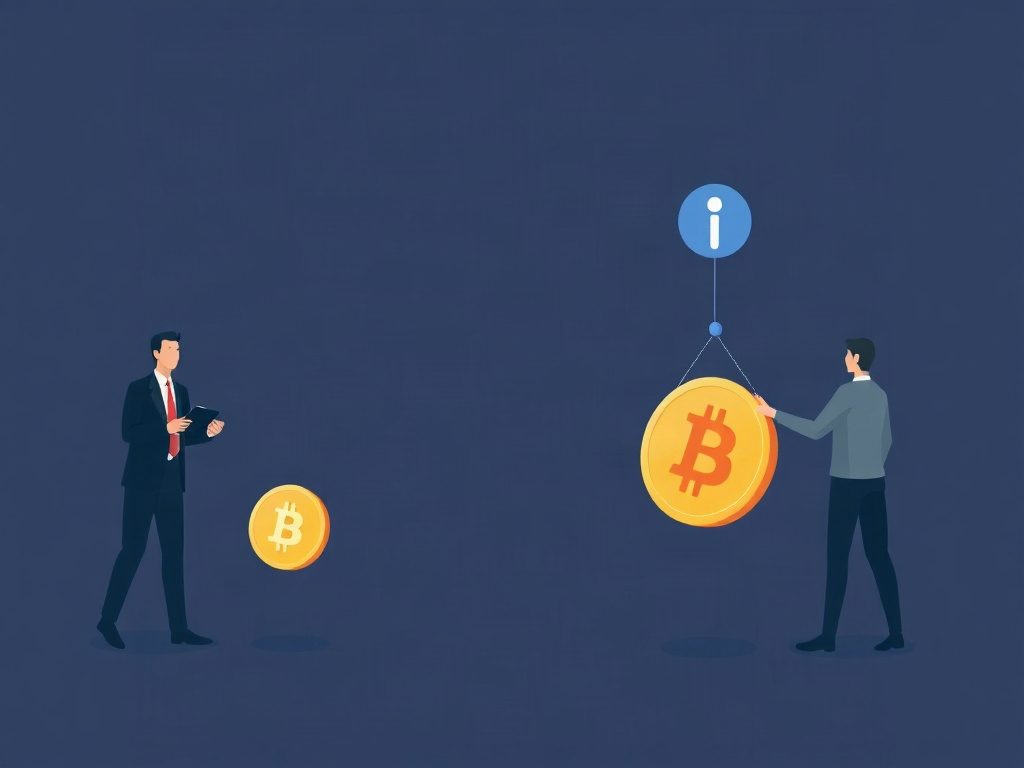
At its core, the joinmarket maker taker protocol operates on a simple yet elegant premise: makers set limit orders that sit on the order book, awaiting counterparties, while takers execute against those orders at prevailing prices. This dichotomy mirrors traditional financial markets but is adapted for decentralized, often non-custodial, contexts. Makers benefit from potential fee rebates and the ability to influence price discovery, while takers gain immediate execution certainty. The protocol's design ensures that each transaction type is incentivized appropriately, fostering a balanced ecosystem where liquidity is consistently supplied and efficiently allocated.
Foundations of the joinmarket maker taker protocol
Historical Context and Evolution
The genesis of the joinmarket maker taker protocol can be traced back to early Bitcoin mixing and coinjoin initiatives, where the need for scalable privacy solutions intersected with the desire for efficient price discovery. Early implementations relied on manual coordination among participants, but as the user base grew, algorithmic frameworks became necessary. The protocol evolved to formalize the maker-taker distinction, introducing reputation systems, fee structures, and atomic swap mechanisms that guarantee either both parties fulfill their obligations or neither does. This evolution was driven by the community's demand for a trustless method to enhance fungibility without compromising on transaction speed or cost.
Core Mechanics: Makers vs Takers
Within the joinmarket maker taker protocol, the maker's primary role is to post a limit order that specifies a price and quantity. By doing so, the maker provides liquidity to the market, effectively "making" the market more robust. Makers often receive reduced fees or rebates as an incentive for committing capital without immediate execution risk. Conversely, the taker accepts the maker's terms, executing the trade instantly. This taker role is essential for market fluidity, as it converts static liquidity into actionable positions. The protocol's smart contract layer—or in JoinMarket's case, its P2P coordination layer—ensures that the taker's commitment is matched with the maker's availability, often employing time-locked contracts to prevent front-running or partial fills.
Liquidity Incentives and Fee Rebates
One of the most compelling aspects of the joinmarket maker taker protocol is its approach to incentivization. Makers who provide depth to the order book are rewarded with lower taker fees, effectively creating a rebate system that encourages long-term liquidity provision. This model contrasts with aggressive fee structures that deter participation, instead fostering a cooperative environment where each trade contributes to the overall health of the market. On platforms like btcmixer_en2, these incentives are calibrated to align with the platform's privacy goals, ensuring that increased liquidity does not come at the expense of user anonymity.
Technical Deep Dive: How the Protocol Executes Trades
Order Matching Logic
The order matching engine of the joinmarket maker taker protocol is designed for both efficiency and privacy. When a taker submits a request, the protocol scans the order book for matching maker orders that satisfy price, quantity, and timing criteria. Advanced filtering mechanisms ensure that matches do not inadvertently leak metadata that could deanonymize participants. The protocol employs a series of cryptographic checks, including range proofs and zero-knowledge validators, to confirm that the transacted amounts are legitimate without revealing the full transaction graph.
Atomic Swaps and Privacy Features
At the heart of the joinmarket maker taker protocol lies the atomic swap mechanism. This ensures that the exchange of assets occurs in a single, indivisible step: either both parties receive their respective assets, or the transaction is reverted entirely. This "all-or-nothing" approach eliminates counter-party risk, a common concern in decentralized trading. Furthermore, the protocol integrates CoinJoin techniques, allowing multiple takers to pool their requests into a single transaction, thereby obfuscating the trail between sender and receiver. On btcmixer_en2, this feature is particularly valued, as it aligns with the platform's core mission of enhancing transaction privacy.
Time-Locks and Settlement Finality
To prevent griefing and ensure settlement finality, the joinmarket maker taker protocol utilizes relative time-locks. These cryptographic timers dictate how long a maker's order remains open before automatic cancellation or taker expiration. If a taker fails to fulfill their side within the specified window, the maker's collateral is returned, and the order is retired. This mechanism not only protects makers from abandoned orders but also provides takers with a clear deadline, encouraging prompt decision-making. The interplay between time-locks and atomic swaps creates a robust framework suitable for high-frequency as well as occasional trading activity.
The btcmixer_en2 Connection: Why It Matters
Synergies Between JoinMarket and btcmixer_en2
The integration of the joinmarket maker taker protocol with btcmixer_en2 creates a powerful synergy between liquidity provision and privacy enhancement. btcmixer_en2, known for its robust mixing services, benefits from the protocol's ability to deepen order book liquidity, reducing the need for large, easily detectable transactions. Conversely, the protocol gains a wider user base and more diverse trading pairs, improving the overall quality of matches. This bidirectional relationship ensures that users enjoy both competitive execution speeds and heightened privacy guarantees.
Real-World Use Cases
Practitioners of the joinmarket maker taker protocol on btcmixer_en2 have reported significant improvements in trade execution metrics. For instance, high-frequency traders utilize the maker-taker dynamics to scalp small price differentials while maintaining low on-chain footprints. Privacy advocates employ the protocol to break up large coin movements into smaller, indistinguishable chunks, making chain analysis substantially more difficult. Institutional participants, meanwhile, appreciate the protocol's deterministic settlement, which aligns with compliance frameworks that require auditability without

Exploring the JoinMarket Maker-Taker Protocol: Insights for DeFi Participants
As a technology researcher deeply embedded in the decentralized finance ecosystem, I've observed the JoinMarket maker-taker protocol evolve from a niche liquidity solution into a sophisticated infrastructure component for capital-efficient trading. The protocol fundamentally addresses the classic maker-taker fee dilemma by incentivizing order book depth through a rebate structure that rewards liquidity provision while maintaining competitive execution costs for takers. What makes JoinMarket particularly interesting from an analytical standpoint is its non-custodial nature and reliance on CoinJoin techniques, which inherently privacy-preserves the trading activity—a feature increasingly valued in today's regulatory-conscious DeFi landscape.
From a practical perspective, the protocol's architecture cleverly aligns incentives across participant types. Market makers who provide standing orders receive fee rebates, effectively reducing their cost of capital deployment, while takers benefit from tighter spreads and reduced slippage. This dual-benefit model has proven especially effective in fragmented liquidity environments where traditional order book depth is scarce. In my analysis of recent yield farming strategies, I've noted that participants who strategically allocate capital to provide maker liquidity on JoinMarket often achieve risk-adjusted returns that outperform pure spot trading, particularly during periods of heightened market volatility when order book resilience becomes paramount.
Looking ahead, the JoinMarket maker-taker protocol represents a maturation step for decentralized exchange infrastructure. The integration of privacy-preserving techniques with traditional market-making economics creates a unique value proposition that bridges the gap between centralized exchange efficiency and decentralized ethos. For investors and protocol developers alike, understanding the nuanced dynamics of maker-taker fee structures within privacy-focused frameworks like JoinMarket will be crucial for capital allocation decisions. The protocol's continued evolution—particularly regarding gas optimization and cross-chain interoperability—will likely determine its long-term viability as a foundational layer for efficient, private capital formation in the Web3 ecosystem.