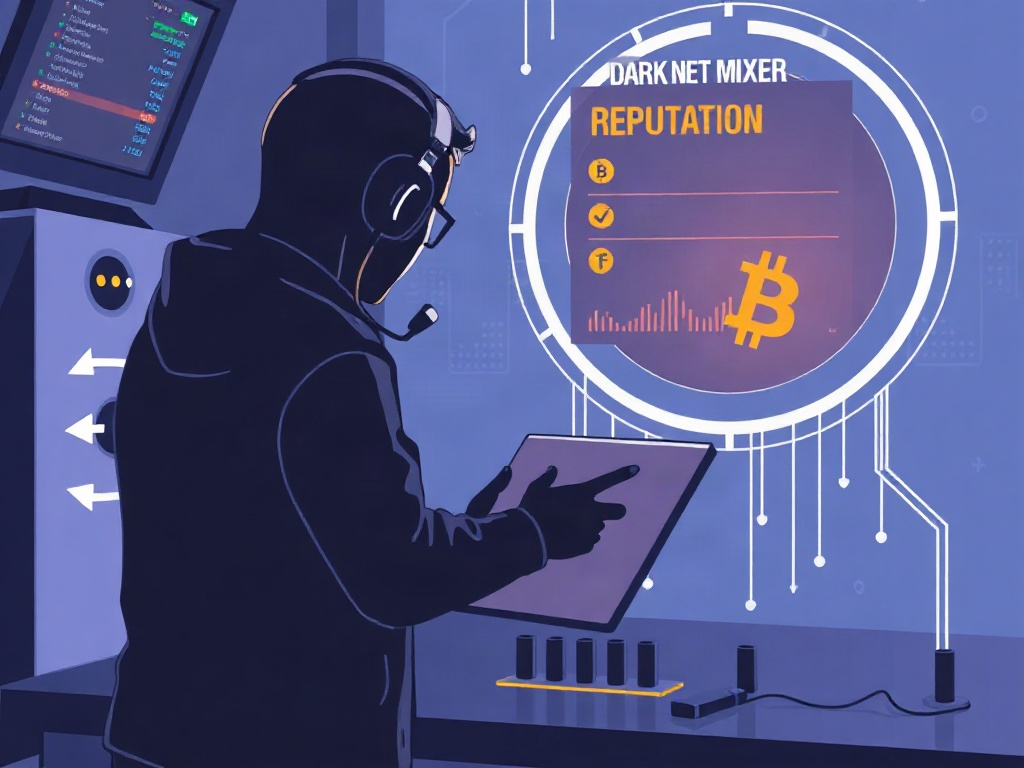
The concept of darknet mixer reputation has evolved significantly over the past decade, becoming a critical focal point for users, researchers, and law enforcement alike. As privacy-focused financial tools, mixers serve the essential function of obfuscating transaction trails, but their efficacy and trustworthiness are almost entirely predicated on the reputation they cultivate within opaque ecosystems. In this environment, BTCEMixer_en2 emerges as a notable case study, illustrating how a platform can navigate the delicate balance between operational secrecy and community trust. The dynamics of darknet mixer reputation are shaped by a complex interplay of technical transparency, user feedback loops, and the ever-present threat of exit scams or law enforcement takedowns.
At the core of any mixer’s standing lies its track record of reliability. Users typically gauge credibility through a combination of longevity, the consistency of mixing performance, and the clarity of the service’s operational policies. A mixer that has operated for several years without major disruptions, while maintaining a user-friendly interface and responsive support, naturally accrues positive reputation markers. Conversely, sudden changes in fee structures, unexplained downtime, or abrupt cessation of services can erode trust almost instantaneously. In the BTCEMixer_en2 niche, these factors are particularly scrutinized, as users seek assurances that their funds and anonymity are not compromised by hidden motives or technical failures.
The Foundations of darknet mixer reputation
Historical Evolution of Mixing Services
The origins of cryptocurrency mixers trace back to the early days of Bitcoin, when the need for financial privacy became apparent to a growing community of users who valued discretion. Early mixers were often rudimentary, relying on simple coinjoin techniques or manual tumbling processes. As the darknet ecosystem expanded, so too did the sophistication of these services. The historical trajectory reveals a pattern: each time law enforcement or regulatory bodies intensified scrutiny, mixer operators responded with enhanced obfuscation methods, often at the cost of transparency. This cat-and-mouse dynamic has forged a reputation culture where longevity is both a badge of survival and a subject of suspicion.
Over time, the community developed informal vetting mechanisms. Early adopters shared experiences on nascent forums, creating a word-of-mouth reputation system that predated modern review platforms. These historical threads still influence contemporary perceptions, as new entrants must contend with the shadow of past operators who failed to maintain ethical standards. Understanding this evolution is essential for anyone seeking to comprehend how darknet mixer reputation is both built and dismantled over time.
Operational Transparency and Audit Trails
While the very nature of a mixer is to disrupt transaction transparency, a paradoxical requirement for some degree of operational transparency has emerged as a reputation differentiator. Services that publish verifiable audit trails, cryptographic proof-of-reserve mechanisms, or regular security audits tend to fare better in reputation assessments. This transparency is not about revealing user data—such data must remain protected—but rather about demonstrating that the mixer is financially solvent, technically sound, and less likely to abscond with deposited funds.
In practice, operational transparency might manifest as published Merkle roots, signed statements of reserve ratios, or third-party audit reports. For BTCEMixer_en2, the adoption or avoidance of such practices has been a talking point within niche communities. Users who prioritize peace of mind often gravitate toward mixers that offer even minimal insight into internal operations, viewing it as a proxy for accountability. However, excessive transparency can also conflict with the core promise of anonymity, forcing a delicate balancing act that ultimately shapes public perception.
Key Metrics That Define darknet mixer reputation
User Feedback and Community Validation
Community feedback serves as the primary barometer for darknet mixer reputation. Platforms dedicated to darknet discourse, such as specialized forums and encrypted messaging groups, become the arena where reputations are forged or shattered. Positive reviews, detailed testimonials of successful mixing experiences, and constructive criticism regarding fee structures or wait times all contribute to a service’s standing. Negative feedback, especially when accompanied by evidence of lost funds or compromised anonymity, can trigger a rapid decline in reputation.
The weight of community validation varies depending on the source. Long-standing members of the ecosystem often hold more influence than newcomers, and their endorsements or warnings carry significant sway. Additionally, the presence of verified escrow arrangements or dispute resolution mechanisms can mitigate the impact of negative reviews. For BTCEMixer_en2, community sentiment is frequently discussed in relation to its user interface, payout speed, and the perceived integrity of its mixing algorithms. Monitoring these chatter points provides valuable insight into how a mixer is perceived in real time.
Security Track Record and Incident Response
A mixer’s history of security incidents—and how it responds to them—plays a pivotal role in reputation management. Services that have experienced breaches but handled them with prompt communication, affected user notifications, and improved security measures often retain a degree of trust. Conversely, cover-ups, delayed disclosures, or repeated vulnerabilities signal negligence and can lead to blacklisting within trusted circles.
Security metrics include the frequency of DDoS attacks withstood, the robustness of encryption protocols, and the effectiveness of two-factor authentication or multisig withdrawal options. A strong security track record reassures users that their deposits are not at risk of theft or loss. In the context of darknet mixer reputation, even the perception of strong security can be as influential as actual technical safeguards, as users often rely on anecdotal evidence and word-of-mouth when evaluating new or existing services.
Navigating Risks: darknet mixer reputation and Security
Red Flags and Due Diligence
Evaluating darknet mixer reputation requires a discerning eye for red flags that signal potential unreliability. Common warning signs include unrealistically low fees, promises of guaranteed anonymity percentages, lack of a clear withdrawal process, and unresponsive customer support. Additionally, mixers that require excessive personal information or demand upfront payments without escrow protection should be approached with extreme caution. Due diligence involves cross-referencing reviews, checking historical uptime data, and assessing the mixer’s presence and activity within trusted community channels.
Users are also advised to test services with minimal deposits before committing larger sums, a practice that minimizes risk while providing practical insights into the mixer’s operational reliability. Tracking changes in a mixer’s URL, interface, or terms of service can also reveal attempts to evade scrutiny or reposition after negative publicity. For those examining BTCEMixer_en2, these due diligence steps are particularly relevant, as the platform’s reputation has been subject to varied assessments across different user segments.
Another critical red flag is the emergence of clone or spoof sites designed to mimic legitimate mixers. These impostors often promise enhanced features or lower fees to lure unsuspecting users, ultimately resulting in fund loss. Verifying the authenticity of a mixer’s official channels, such as PGP-signed messages or verified onion addresses, is an essential component of reputation safety. By adhering to rigorous due diligence protocols, users can better navigate the inherent risks while preserving their privacy objectives.
BTCEMixer_en2: A Case Study in Reputation Management
Brand Positioning and User Trust
BTCEMixer_en2 has carved a distinct niche within the broader mixer landscape, and its reputation is shaped by a combination of

Understanding the darknet mixer reputation in the broader crypto ecosystem
As James Richardson, I observe that the darknet mixer reputation has become a focal point for both regulatory scrutiny and market participants seeking privacy solutions. Over the past several years, the perception of mixing services has shifted dramatically, influenced by high-profile enforcement actions and the evolving sophistication of blockchain analytics. This reputation is not static; it is actively shaped by transparency reports, audit outcomes, and the degree to which operators cooperate with law enforcement while preserving user privacy.
From a practical analysis standpoint, the credibility of a mixer directly impacts liquidity flow and institutional willingness to engage with associated assets. A tarnished darknet mixer reputation often triggers downstream effects, including delisting from compliant exchanges and heightened due diligence for wallets interacting with tainted funds. Conversely, mixers that demonstrate robust compliance frameworks and clear operational governance can mitigate reputational risk, offering a more sustainable model for privacy-preserving transactions within a regulated environment.
Looking ahead, I believe the trajectory of the darknet mixer reputation will depend heavily on the industry's ability to self-regulate and establish standardized metrics for risk assessment. Market participants who can accurately gauge the reputational health of mixing services will be better positioned to navigate the tension between financial privacy and regulatory compliance, ultimately contributing to a more resilient and trustworthy crypto ecosystem.