The rise of cryptocurrencies has revolutionized the way we think about money, transactions, and financial privacy. Among the various tools available to crypto enthusiasts, the anonymous bitcoin ATM stands out as a convenient and discreet method for buying or selling Bitcoin without revealing personal identity. Unlike traditional ATMs that require identification, these specialized machines allow users to transact in cash, preserving anonymity while gaining access to the world’s most popular digital currency.
In this comprehensive guide, we’ll explore what an anonymous bitcoin ATM is, how it works, its benefits and risks, and how to use one safely. Whether you're a privacy advocate, a crypto newcomer, or someone looking for alternative financial solutions, understanding this technology is essential in today’s digital age.
The Rise of Anonymous Bitcoin ATMs: A Response to Privacy Concerns
Why Privacy Matters in Cryptocurrency Transactions
Bitcoin was originally designed as a decentralized, peer-to-peer currency that allows users to transact without intermediaries like banks. However, as Bitcoin gained mainstream adoption, so did the surveillance and tracking mechanisms. Most Bitcoin transactions are recorded on a public ledger called the blockchain, which means that every transaction is traceable if linked to a real-world identity.
This is where privacy becomes a concern. Governments, financial institutions, and even hackers can analyze blockchain data to track spending habits, net worth, or even personal relationships. For individuals who value financial privacy—such as journalists, activists, or simply privacy-conscious individuals—the anonymous bitcoin ATM offers a viable solution.
The Evolution of Bitcoin ATMs: From Transparent to Private
Bitcoin ATMs first appeared in 2013 and were initially designed to provide easy access to cryptocurrency for the general public. Most early models required users to verify their identity through government-issued IDs, phone numbers, or even biometric scans. While this helped comply with anti-money laundering (AML) and know-your-customer (KYC) regulations, it defeated the purpose of privacy that many crypto users sought.
In response to growing demand for anonymity, developers and operators introduced the anonymous bitcoin ATM. These machines allow users to purchase Bitcoin using cash or debit cards without providing personal information. They typically impose lower transaction limits and may not require any identification, making them ideal for those who prioritize discretion.
Global Adoption and Regulatory Landscape
The availability of anonymous bitcoin ATMs varies significantly by country and region. In some jurisdictions, such as the United States, operators must comply with federal regulations like the Bank Secrecy Act (BSA), which mandates KYC for transactions over a certain threshold (usually $9,000 in a single day). However, many operators find loopholes or operate in gray areas by keeping transactions below these limits.
In contrast, countries like Switzerland, Portugal, and some parts of Canada have more lenient regulations, allowing for easier access to anonymous bitcoin ATMs. Meanwhile, countries with strict capital controls—such as Venezuela or Nigeria—have seen a surge in the use of these machines as a way to bypass government restrictions on crypto trading.
It’s important to note that while anonymous bitcoin ATMs offer privacy, they are not entirely risk-free. Operators may still be subject to local laws, and users should always be aware of the legal implications in their jurisdiction.
How Does an Anonymous Bitcoin ATM Work? A Step-by-Step Guide
Basic Components of a Bitcoin ATM
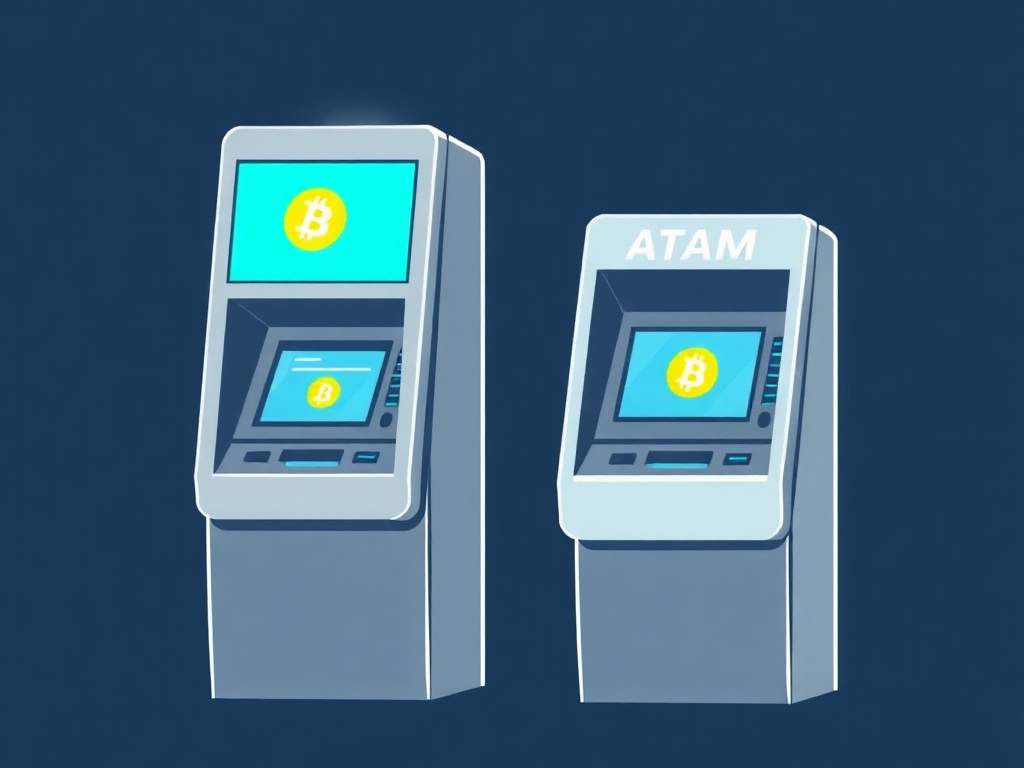
An anonymous bitcoin ATM functions similarly to a traditional ATM but with a focus on cryptocurrency transactions. Key components include:
- Cash Dispenser or Card Reader: Allows users to deposit cash or use a debit/credit card to purchase Bitcoin.
- QR Code Scanner: Reads the user’s Bitcoin wallet address to send purchased Bitcoin directly.
- Touchscreen Interface: Guides users through the transaction process with clear instructions.
- Receipt Printer: Provides a paper receipt with transaction details, including the Bitcoin address and amount sent.
- Security Features: Includes cameras, alarms, and sometimes biometric scanners to prevent fraud or theft.
Step-by-Step Transaction Process
Using an anonymous bitcoin ATM is straightforward, even for beginners. Here’s a typical transaction flow:
- Select Transaction Type: Choose whether you want to buy Bitcoin (cash to crypto) or sell Bitcoin (crypto to cash).
- Enter Amount: Specify how much Bitcoin you want to purchase or how much cash you want to receive.
- Provide Wallet Address: For purchases, scan or manually enter your Bitcoin wallet address. For sales, the ATM will generate a QR code for you to send Bitcoin from your wallet.
- Insert Cash or Send Bitcoin: If buying, insert cash into the machine. If selling, send the specified amount of Bitcoin to the ATM’s address.
- Confirm Transaction: Review the details on the screen, including fees and exchange rates, then confirm the transaction.
- Receive Confirmation: The ATM will either dispense cash (if selling) or send Bitcoin to your wallet (if buying). A receipt will be printed for your records.
Types of Anonymous Bitcoin ATMs
Not all anonymous bitcoin ATMs are the same. They generally fall into two categories:
- One-Way ATMs: Allow users to buy Bitcoin with cash but do not support selling Bitcoin for cash. These are more common and often easier to find.
- Two-Way ATMs: Enable both buying and selling of Bitcoin. These are less common due to regulatory hurdles and higher operational costs.
Additionally, some anonymous bitcoin ATMs may offer extra features, such as the ability to purchase other cryptocurrencies (e.g., Ethereum or Litecoin) or even stablecoins like USDT.
Fees and Exchange Rates: What to Expect
One of the downsides of using an anonymous bitcoin ATM is the higher fees compared to online exchanges. These fees typically range from 7% to 15%, depending on the operator and location. Factors influencing fees include:
- Transaction Volume: Higher volumes may result in lower fees.
- Location: ATMs in high-traffic areas or tourist destinations may charge more.
- Machine Type: Two-way ATMs often have higher fees than one-way machines.
- Network Congestion: During periods of high Bitcoin network activity, fees may increase.
Exchange rates at anonymous bitcoin ATMs are also less favorable than those on major exchanges. This is because operators need to account for the lack of KYC compliance, which increases their risk of fraud or regulatory penalties. Always compare rates with online platforms to ensure you’re getting a fair deal.
Benefits of Using an Anonymous Bitcoin ATM
Financial Privacy and Anonymity
The primary advantage of using an anonymous bitcoin ATM is the ability to transact without revealing your identity. This is particularly valuable for individuals who:
- Live in countries with strict financial surveillance.
- Work in professions where financial privacy is crucial (e.g., journalists, lawyers, or activists).
- Prefer to keep their crypto holdings separate from their bank accounts.
- Want to avoid the risk of identity theft or data breaches associated with online exchanges.
By using cash and avoiding digital trails, users can maintain a higher level of privacy than with traditional banking or online crypto platforms.
Accessibility and Convenience
Anonymous bitcoin ATMs provide a user-friendly way to enter the cryptocurrency market without the need for a bank account or credit card. This makes them ideal for:
- Unbanked Individuals: People without access to traditional banking services can still purchase Bitcoin.
- Tourists and Travelers: Those visiting countries with capital controls can use anonymous bitcoin ATMs to convert local currency to Bitcoin without restrictions.
- Quick Transactions: Unlike online exchanges that may require days for verification, anonymous bitcoin ATMs allow instant purchases (or sales) of Bitcoin.
Reduced Risk of Hacking and Fraud
Online crypto exchanges are frequent targets for hackers due to the large amounts of Bitcoin they hold. By using an anonymous bitcoin ATM, users avoid storing their funds on centralized platforms, reducing the risk of losing assets to cyberattacks. Additionally, since transactions are conducted in cash or via direct wallet transfers, there’s no central database for hackers to exploit.
Support for Decentralized Finance (DeFi) and P2P Transactions
Bitcoin purchased from an anonymous bitcoin ATM can be used in decentralized finance (DeFi) platforms, peer-to-peer (P2P) marketplaces, or even mixed with privacy-focused services like CoinJoin. This allows users to further enhance their financial privacy by breaking the on-chain link between their identity and Bitcoin holdings.
Risks and Challenges of Anonymous Bitcoin ATMs
Regulatory and Legal Risks
While anonymous bitcoin ATMs offer privacy, they operate in a legal gray area in many jurisdictions. Governments are increasingly cracking down on unregulated crypto services to combat money laundering and terrorism financing. Some risks include:
- Operator Shutdowns: Authorities may force ATM operators to shut down or comply with KYC/AML laws.
- Seizures: Law enforcement agencies may seize machines or funds if they suspect illegal activity.
- Personal Liability: Users may face legal consequences if they use anonymous bitcoin ATMs for illicit purposes, even unintentionally.
Always research local laws before using an anonymous bitcoin ATM to ensure compliance.
Security Concerns: Scams and Malware
Not all anonymous bitcoin ATMs are legitimate. Some operators may:
- Use Fake Machines: Scammers set up counterfeit ATMs to steal users’ Bitcoin or cash.
- Charge Hidden Fees: Some machines may display one rate initially but charge a much higher fee upon completion.
- Distribute Malware: A compromised ATM could infect a user’s wallet app or device with malware.
To avoid scams, only use ATMs from reputable operators and check online reviews or community forums for feedback.
Limited Availability and High Fees
While anonymous bitcoin ATMs are growing in popularity, they are still not as widespread as traditional ATMs. In many areas, users may have to travel long distances to find one. Additionally, the convenience of anonymity comes at a cost—fees at these machines are typically much higher than online exchanges.
Transaction Limits and Daily Caps
To comply with regulations (or avoid attracting attention), many anonymous bitcoin ATMs impose strict transaction limits. For example:
- Daily Purchase Limits: Often capped at $1,000 to $5,000 per day.
- Weekly or Monthly Limits: Some machines restrict users to smaller amounts over time.
- Verification Requirements: If a user exceeds a certain threshold, the machine may suddenly require ID verification.
These limits can be frustrating for users looking to make large purchases or sales anonymously.
How to Find and Use an Anonymous Bitcoin ATM Safely
Locating an Anonymous Bitcoin ATM Near You
Finding a reliable anonymous bitcoin ATM requires some research. Here are the best ways to locate one:
- Online Directories: Websites like CoinATMRadar, BTC Map, or Coinmap provide maps of Bitcoin ATMs worldwide, including those that support anonymous transactions.
- Mobile Apps: Apps like Bitcoin ATM Map or Coin ATM Radar allow users to search for nearby machines and filter by anonymity support.
- Community Forums: Reddit communities (e.g., r/BitcoinATM) or BitcoinTalk forums often share updates on new or reliable anonymous bitcoin ATMs.
- Local Crypto Meetups: Attending Bitcoin or crypto meetups can provide firsthand recommendations from experienced users.
Verifying the Legitimacy of an ATM
Before using an anonymous bitcoin ATM, take these steps to ensure it’s safe and legitimate:
- Check Operator Reviews: Look for feedback on Google Reviews, Trustpilot, or crypto forums. Avoid machines with multiple complaints about hidden fees or scams.
- Inspect the Machine: Legitimate ATMs are usually well-maintained and branded with the operator’s logo. Look for signs of tampering, such as loose wires or unusual attachments.
- Test with a Small Amount: Start with a small transaction (e.g., $50) to verify that the machine works as expected before making a larger purchase.
- Use a Dedicated Wallet: Create a new Bitcoin wallet specifically for ATM transactions to avoid exposing your main holdings.
Best Practices for Secure Transactions
To maximize security and privacy when using an anonymous bitcoin ATM, follow these guidelines:
- Use Cash: Avoid using debit or credit cards, as these can be linked back to your identity. Cash transactions are the most anonymous.
- Enable VPN: If accessing the ATM’s interface via a mobile app or website, use a VPN to mask your IP address.
- Double-Check Wallet Addresses: Always verify the Bitcoin address displayed on the ATM screen before sending funds. A single typo can result in lost funds.
- Keep Receipts Secure: Store transaction receipts in a safe place. While they don’t reveal your identity, they can be used to track your spending if compromised.
- Avoid Public Wi-Fi: If the ATM requires an internet connection, use a secure, private network to prevent hackers from intercepting your data.
What to Do If Something Goes Wrong
If you encounter issues with an anonymous bitcoin ATM, such as lost funds or incorrect transactions, take these steps:
- Contact the Operator: Most machines display a customer support number or email. Reach out immediately to report the issue.
- Check Blockchain Explorer: Use a blockchain explorer like Blockchain.com to verify if the transaction was processed. If the funds were sent but not received, the issue may be on the recipient’s end.
- File a Complaint: If the operator is unresponsive or uncooperative, file a complaint with local consumer protection agencies or crypto advocacy groups.
- Learn from the Experience: Use the incident as a lesson to choose more reputable ATMs in the future or adjust your transaction methods.
Alternatives to Anonymous Bitcoin ATMs
Peer-to-Peer (P2P) Crypto Exchanges
For those seeking privacy without the high fees of anonymous bitcoin ATMs, P2P exchanges like LocalBitcoins or Paxful offer a middle ground. These platforms connect buyers and sellers directly, allowing for cash transactions or payments via gift cards. While not entirely anonymous (users must create accounts), P2P exchanges provide more privacy than traditional exchanges.
Bitcoin Mixers and CoinJoin Services
If you already own Bitcoin but want to enhance your privacy, services like Bitcoin Mixer or Wasabi Wallet (which uses CoinJoin) can help obfuscate transaction trails. These tools mix your Bitcoin with others, making it difficult to trace the origin of funds. However, they require some technical knowledge and may not be as user-friendly as an anonymous bitcoin ATM.
Decentralized Exchanges (DEXs)
DEXs like Uniswap or Bisq allow users to trade

The Rise of Anonymous Bitcoin ATMs: A Double-Edged Sword for Investors
As a certified financial analyst with over a decade of experience in cryptocurrency investment strategies, I’ve seen firsthand how anonymous Bitcoin ATMs have become a polarizing tool in the digital asset ecosystem. These machines, which allow users to buy or sell Bitcoin without stringent KYC (Know Your Customer) requirements, offer unparalleled convenience and privacy—particularly for those seeking to avoid traditional banking oversight. For individuals in jurisdictions with restrictive financial policies or those prioritizing anonymity, an anonymous Bitcoin ATM can serve as a critical bridge to accessing decentralized finance. However, this convenience comes with significant risks, including exposure to fraud, regulatory scrutiny, and potential involvement in illicit activities. Investors must weigh these factors carefully before engaging with such services.
From a practical standpoint, anonymous Bitcoin ATMs can be a viable option for small, one-off transactions where privacy is paramount. Yet, their lack of compliance infrastructure makes them inherently risky for larger investments. I often advise clients to consider the long-term implications of using these machines, particularly in light of evolving global regulations. For instance, while an anonymous Bitcoin ATM might seem like a quick solution for bypassing capital controls, it could also attract unwanted attention from authorities. My recommendation? Use these ATMs sparingly, if at all, and always prioritize platforms that balance privacy with compliance. The crypto landscape is maturing, and while anonymity has its place, it should never come at the expense of financial security.