In the rapidly evolving world of cryptocurrency, privacy remains a cornerstone concern for users seeking financial anonymity and security. Among the leading privacy-focused cryptocurrencies, Zcash stands out with its innovative zcash shielded transactions, a feature that enables users to conduct transactions without revealing sender, receiver, or transaction amount on the public blockchain. This comprehensive guide explores the intricacies of zcash shielded transactions, their underlying technology, benefits, limitations, and practical applications in the broader crypto landscape.
As privacy concerns grow amid increasing regulatory scrutiny and surveillance, understanding how zcash shielded transactions work—and how they differ from transparent transactions—is essential for investors, developers, and privacy advocates alike. Whether you're a seasoned crypto enthusiast or a newcomer exploring privacy solutions, this article provides a deep dive into one of the most advanced privacy-preserving mechanisms in decentralized finance.
---What Are Zcash Shielded Transactions?
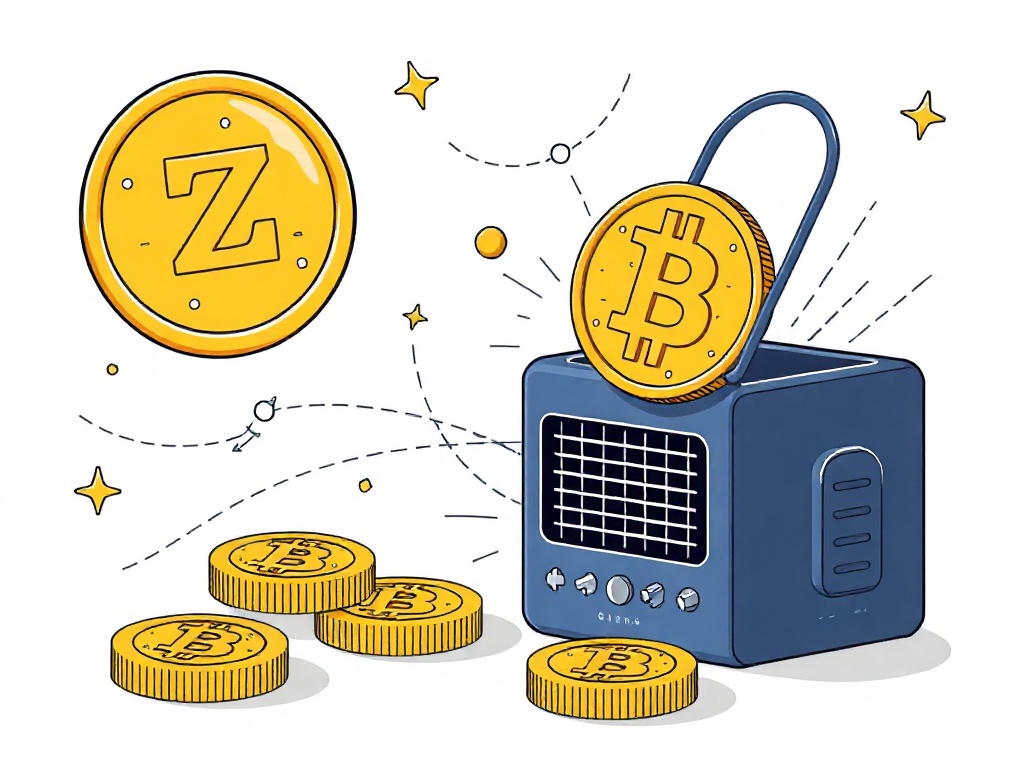
Zcash shielded transactions represent a groundbreaking advancement in blockchain privacy, allowing users to send and receive Zcash (ZEC) without exposing sensitive financial data. Unlike traditional cryptocurrencies such as Bitcoin, where transaction details are publicly visible on the blockchain, zcash shielded transactions leverage advanced cryptographic techniques to obscure all transactional information.
The Core Concept: Privacy by Default
At the heart of zcash shielded transactions is the concept of "shielding," which refers to the process of concealing transaction data using zero-knowledge proofs. These proofs allow one party to prove to another that a transaction is valid without revealing any underlying details—such as the sender’s address, recipient’s address, or the amount transferred. This ensures that even though the transaction is recorded on the blockchain, it remains completely private and untraceable.
Zcash achieves this through its unique zk-SNARKs (Zero-Knowledge Succinct Non-Interactive Arguments of Knowledge) technology, a form of zero-knowledge proof that is both efficient and secure. By using zk-SNARKs, zcash shielded transactions provide strong cryptographic guarantees that no information is leaked during the verification process.
Transparent vs. Shielded Transactions
Zcash supports two types of transactions:
- Transparent Transactions: These are similar to Bitcoin transactions, where sender and receiver addresses, as well as the transaction amount, are publicly recorded on the blockchain. While transparent transactions offer pseudonymity, they do not provide true financial privacy.
- Shielded Transactions: These transactions use zk-SNARKs to hide all transaction details. Only the fact that a transaction occurred is recorded on the blockchain, not the specifics. This makes zcash shielded transactions a powerful tool for users seeking anonymity.
Users can choose between transparent and shielded transactions based on their privacy needs. However, it's important to note that shielded transactions require more computational resources and may have higher fees due to the complexity of zero-knowledge proofs.
---The Technology Behind Zcash Shielded Transactions
To fully appreciate the innovation of zcash shielded transactions, it's essential to understand the underlying technology that makes them possible. At the core of this system is zk-SNARKs, a cryptographic breakthrough that enables secure, private transactions without sacrificing verifiability.
Zero-Knowledge Proofs: The Foundation of Privacy
Zero-knowledge proofs are cryptographic protocols that allow one party (the prover) to convince another party (the verifier) that a statement is true without revealing any additional information. In the context of zcash shielded transactions, the prover (the sender) demonstrates that they have the authority to spend a certain amount of ZEC without revealing who they are sending it to or how much they are sending.
This is achieved through a series of mathematical steps that ensure the transaction is valid without exposing sensitive data. The proof is "succinct," meaning it can be verified quickly, even on a blockchain with limited computational resources.
How zk-SNARKs Work in Zcash
The zk-SNARKs used in zcash shielded transactions rely on several key components:
- Trusted Setup: Before zk-SNARKs can be used, a one-time trusted setup ceremony must occur. This involves generating public parameters that are used to create and verify proofs. While the setup requires trusted parties, Zcash has implemented multi-party computation ceremonies to minimize trust assumptions.
- Commitment Schemes: Users create commitments to their transaction inputs and outputs, which are used to prove that the transaction is valid without revealing the actual values.
- Proof Generation and Verification: The sender generates a zk-SNARK that proves they have the right to spend the input funds and that the output values are correctly calculated. This proof is then verified by network nodes without needing to know the underlying transaction details.
This intricate process ensures that zcash shielded transactions are both secure and private, making them a leading solution for privacy-conscious cryptocurrency users.
Address Types in Zcash: z-addresses and t-addresses
Zcash introduces two types of addresses to facilitate different transaction types:
- z-addresses (Shielded Addresses): These addresses are used for zcash shielded transactions. They start with "zc" and enable full privacy by hiding transaction details. Funds sent to a z-address are shielded, and transactions between z-addresses are fully private.
- t-addresses (Transparent Addresses): These addresses are similar to Bitcoin addresses and are used for transparent transactions. Funds sent to a t-address are publicly visible on the blockchain.
It's important to note that mixing z-addresses and t-addresses in a single transaction can result in partial privacy. For example, sending funds from a z-address to a t-address will reveal the transaction amount and the t-address, compromising the privacy of the z-address. To maintain full privacy, users should conduct transactions entirely within the shielded pool.
---Benefits of Zcash Shielded Transactions
Zcash shielded transactions offer a range of benefits that make them a preferred choice for users seeking financial privacy in the digital age. From enhanced security to regulatory compliance, these transactions provide a robust solution for individuals and businesses alike.
Enhanced Financial Privacy
The most significant advantage of zcash shielded transactions is the unparalleled level of privacy they provide. Unlike traditional financial systems or even other cryptocurrencies, zcash shielded transactions ensure that:
- Sender and receiver identities are hidden.
- Transaction amounts are not disclosed.
- Transaction history remains confidential.
This level of privacy is particularly valuable for individuals living in countries with oppressive financial regulations, as well as for businesses that wish to protect sensitive financial data from competitors or cybercriminals.
Protection Against Surveillance and Censorship
In an era where governments and corporations increasingly monitor financial transactions, zcash shielded transactions offer a powerful tool for resisting surveillance. By using zk-SNARKs, users can transact without fear of being tracked or censored. This is especially important in regions where financial freedom is restricted or where individuals face persecution for their financial activities.
Additionally, zcash shielded transactions protect users from the risks of identity theft and fraud. Since transaction details are not publicly available, cybercriminals cannot easily target users based on their financial history.
Regulatory Compliance and Auditing
While privacy is a key feature of zcash shielded transactions, it's important to note that Zcash also supports transparent transactions for regulatory compliance. Businesses and individuals who need to comply with anti-money laundering (AML) and know-your-customer (KYC) regulations can use transparent transactions while still benefiting from the security of the Zcash blockchain.
Moreover, Zcash has implemented features such as selective disclosure, which allows users to reveal transaction details to authorized parties when necessary. This ensures that zcash shielded transactions can be used in a compliant manner without sacrificing privacy.
Decentralization and Censorship Resistance
Zcash is a decentralized cryptocurrency, meaning it is not controlled by any single entity. This decentralization extends to zcash shielded transactions, which are processed by a distributed network of nodes. As a result, zcash shielded transactions are resistant to censorship and cannot be blocked or reversed by governments or financial institutions.
This makes Zcash an attractive option for individuals and organizations operating in jurisdictions with strict financial controls or where traditional banking systems are unreliable.
---Challenges and Limitations of Zcash Shielded Transactions
While zcash shielded transactions offer significant advantages, they are not without challenges. Understanding these limitations is crucial for users considering whether to adopt Zcash for their privacy needs.
Computational Complexity and Transaction Fees
One of the primary challenges of zcash shielded transactions is their computational complexity. Generating and verifying zk-SNARKs requires significant processing power, which can result in higher transaction fees compared to transparent transactions. Additionally, shielded transactions may take longer to confirm due to the additional computational overhead.
While Zcash has made improvements to optimize the efficiency of zk-SNARKs, the cost and speed of zcash shielded transactions remain a consideration for users, particularly in high-frequency trading or microtransaction scenarios.
Adoption and Liquidity in the Shielded Pool
For zcash shielded transactions to be effective, there must be sufficient liquidity in the shielded pool. If the majority of transactions occur on the transparent side of the blockchain, the privacy benefits of shielded transactions are diminished. This is because linking shielded and transparent transactions can potentially compromise privacy.
To address this, Zcash has implemented features such as autoshielding, which automatically converts transparent funds to shielded funds upon receipt. However, widespread adoption of shielded transactions is still a work in progress.
Regulatory and Compliance Concerns
While zcash shielded transactions provide strong privacy guarantees, they have also raised concerns among regulators. Some governments and financial institutions view privacy-focused cryptocurrencies as potential tools for illicit activities, such as money laundering or terrorism financing. As a result, Zcash has faced scrutiny from regulators, and some exchanges have delisted ZEC or restricted shielded transactions.
To mitigate these concerns, Zcash has worked on improving transparency and compliance features, such as selective disclosure and transparent transaction options. However, the regulatory landscape for zcash shielded transactions remains complex and evolving.
User Experience and Accessibility
Another challenge for zcash shielded transactions is user experience. Shielded transactions require users to manage z-addresses, which can be more complex than traditional transparent addresses. Additionally, wallet support for shielded transactions varies, and some users may find it difficult to navigate the process of sending and receiving shielded ZEC.
Improving wallet interfaces and educational resources is essential for increasing adoption of zcash shielded transactions and making them more accessible to the average user.
---Practical Applications of Zcash Shielded Transactions
Zcash shielded transactions are not just a theoretical innovation—they have practical applications across various industries and use cases. From personal finance to enterprise solutions, shielded transactions offer a powerful tool for preserving privacy in an increasingly transparent digital world.
Personal Finance and Everyday Transactions
For individuals seeking to protect their financial privacy, zcash shielded transactions provide a secure and efficient solution. Whether sending money to family members, paying for goods and services, or saving for the future, users can conduct transactions without exposing sensitive financial data to the public.
This is particularly valuable in situations where financial privacy is critical, such as:
- Sending remittances to family in countries with strict financial controls.
- Making charitable donations without revealing personal financial information.
- Protecting savings from prying eyes, such as in cases of divorce or corporate espionage.
Business and Enterprise Use Cases
Businesses can also benefit from zcash shielded transactions by protecting sensitive financial data from competitors, cybercriminals, and regulatory scrutiny. Some potential applications include:
- Supply Chain Payments: Companies can use shielded transactions to pay suppliers without revealing transaction amounts or counterparties, reducing the risk of price manipulation or extortion.
- Mergers and Acquisitions: During sensitive financial negotiations, businesses can use zcash shielded transactions to transfer funds without disclosing transaction details to the public.
- Employee Salaries: Companies can pay salaries using shielded transactions to protect employee financial information from competitors or malicious actors.
Non-Profit Organizations and Humanitarian Aid
Non-profit organizations and humanitarian aid groups often operate in environments where financial transparency can put beneficiaries at risk. Zcash shielded transactions offer a secure way to transfer funds to individuals in need without exposing their financial information to potential threats.
For example, a humanitarian organization could use shielded transactions to distribute funds to refugees in conflict zones, ensuring that their financial activities remain confidential and protected from exploitation.
Gaming and Digital Content
The gaming and digital content industries are increasingly adopting cryptocurrencies for in-game purchases, subscriptions, and content monetization. Zcash shielded transactions provide a private and secure way for users to transact without revealing their spending habits or financial data.
This is particularly valuable in regions where digital content consumption is monitored or restricted, as users can access and pay for content without fear of surveillance or censorship.
---How to Use Zcash Shielded Transactions: A Step-by-Step Guide
For those new to Zcash, using zcash shielded transactions may seem daunting. However, with the right tools and knowledge, anyone can take advantage of Zcash’s privacy features. This section provides a step-by-step guide to sending and receiving shielded ZEC.
Step 1: Choose a Zcash Wallet That Supports Shielded Transactions
Not all Zcash wallets support shielded transactions. Some popular wallets that do include:
- Zecwallet: A user-friendly wallet that supports both shielded and transparent transactions.
- YWallet: A mobile wallet designed for Zcash with strong privacy features.
- Zcashd: The official Zcash node software, which supports full shielded transaction functionality.
- Sapling Support: Ensure your wallet supports the Sapling upgrade, which significantly improved the efficiency of shielded transactions.
Before selecting a wallet, verify that it supports z-addresses and shielded transactions.
Step 2: Generate a z-address
Once you have a compatible wallet, generate a z-address (also known as a shielded address). This address starts with "zc" and is used to receive shielded ZEC. To generate a z-address:
- Open your Zcash wallet.
- Navigate to the "Receive" section.
- Select the option to generate a new z-address.
- Copy the z-address for sharing with the sender.
It's important to note that z-addresses are case-sensitive and should be shared carefully to avoid errors.
Step 3: Receive Shielded ZEC
To receive shielded ZEC, share your z-address with the sender. Once the sender initiates a shielded transaction to your z-address, the funds will be added to your shielded balance. You can view your shielded balance in your wallet, but the transaction details will remain private.
If you receive ZEC to a t-address (transparent address), you can convert it to a shielded balance using the "shield" or "autoshield" feature in your wallet. This process converts transparent ZEC to shielded ZEC, enhancing your privacy.
Step 4: Send Shielded ZEC
To send shielded ZEC, follow these steps:
- Open your Zcash wallet and navigate to the "Send" section.
- Enter the recipient’s z-address in the "Recipient" field. Ensure the address is correct, as transactions are irreversible. <

The Strategic Value of Zcash Shielded Transactions in Modern Crypto Portfolios
As a certified financial analyst with over a decade of experience guiding investors through the complexities of digital assets, I’ve seen firsthand how privacy-enhancing technologies like zcash shielded transactions are reshaping the risk-reward profile of cryptocurrency investments. Zcash’s zk-SNARKs technology—enabling fully encrypted transactions while maintaining verifiable integrity—addresses a critical gap in the market: the need for confidentiality without sacrificing auditability. For institutional and high-net-worth investors, this isn’t just about compliance with evolving regulatory expectations; it’s about mitigating exposure to front-running, transaction surveillance, and the reputational risks tied to transparent ledgers. In an era where privacy is increasingly scrutinized, zcash shielded transactions offer a pragmatic solution for those seeking to balance transparency with discretion.
From a portfolio diversification standpoint, integrating Zcash’s shielded layer can serve as a hedge against systemic risks in the broader crypto ecosystem. While Bitcoin and Ethereum dominate headlines, their transparent nature exposes users to on-chain analysis risks that may not align with long-term strategic goals. Zcash shielded transactions provide a counterbalance by enabling private settlements for high-value transfers, cross-border payments, or even as a tactical reserve asset. I’ve advised clients who allocate 5–10% of their crypto holdings to privacy coins like Zcash, not as speculative bets, but as a defensive layer against de-anonymization threats. The key takeaway? Privacy isn’t just a feature—it’s a financial safeguard, and zcash shielded transactions are at the forefront of this evolution.