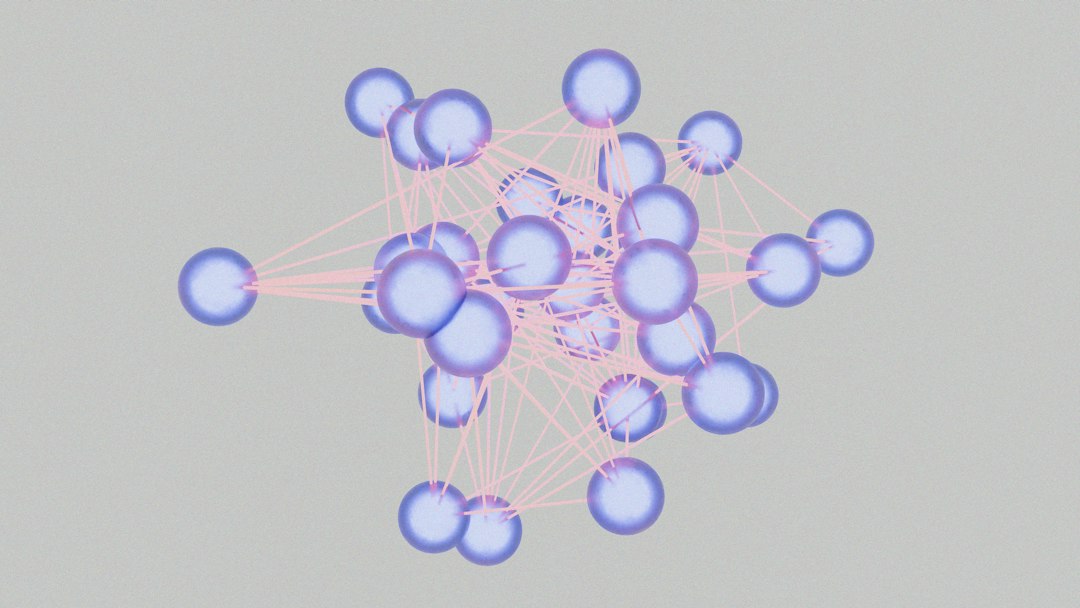
In the evolving landscape of blockchain analytics, the pursuit of privacy has become a central concern for users and service operators alike. The rise of sophisticated clustering algorithms has empowered forensic entities to map transaction flows, identify counterparties, and erode the anonymity sets that cryptocurrency users rely on. Within this context, the concept of cluster deanonymization resistance emerges as a critical defense mechanism. Specifically designed for the btcmixer_en2 ecosystem, robust cluster deanonymization resistance strategies ensure that mixed transactions remain indistinguishable from legitimate on-chain activity, even under intense analytical scrutiny. This article delves into the technical underpinnings, architectural features, and practical implementations that define effective cluster deanonymization resistance within the btcmixer_en2 framework, offering readers a comprehensive guide to safeguarding digital asset privacy.
The foundational challenge in achieving cluster deanonymization resistance lies in understanding how blockchain clustering operates. Graph-based analysis tools examine transaction graphs, identifying patterns such as common inputs, frequent output destinations, and temporal correlations. When a mixer like btcmixer_en2 processes funds, any residual pattern that mirrors these heuristics can create a fingerprint, allowing adversaries to deanonymize users. Consequently, cluster deanonymization resistance is not merely a feature but a systematic approach to breaking these patterns at the protocol level. By disrupting the deterministic links that clustering algorithms exploit, btcmixer_en2 users can maintain a high degree of financial privacy.
The Mechanics of Cluster Analysis in Blockchain Forensics
How Graph Clustering Exposes Bitcoin Users
Graph clustering algorithms, such as connected component analysis, heuristic grouping, and machine learning-based classification, operate on the premise that users who interact with the same set of addresses or follow similar transaction patterns are likely the same entity. In the Bitcoin ecosystem, these algorithms scan the public ledger for subgraphs that exhibit characteristics of consolidation, change return, or payment routing. When a mixer fails to sufficiently randomize these subgraphs, the resulting transaction graph becomes a roadmap for forensic analysts. Effective cluster deanonymization resistance requires dismantling these subgraph structures, ensuring that no single entity's flow can be isolated from the broader mixer pool.
Common Clustering Heuristics Used by Forensics Firms
Forensics firms employ a repertoire of heuristics to deanonymize users. The most prevalent include input clustering, which groups addresses sharing a common owner based on transaction signing; output clustering, which assumes addresses receiving funds from the same transaction belong to the same user; and change address detection, which identifies leftover outputs as belonging to the original sender. Additionally, temporal clustering examines the timing of transactions to infer user behavior patterns. Each of these heuristics represents a potential vector for deanonymization, and a mixer designed with cluster deanonymization resistance in mind must address each vector through architectural choices such as randomized output ordering, decoy transactions, and time-delayed withdrawals.
btcmixer_en2 Architecture: Built for Privacy
Mixing Pool Topology and Output Distribution
The btcmixer_en2 platform employs a sophisticated mixing pool topology that serves as the first line of defense against cluster deanonymization resistance challenges. Unlike simple tumblers that shuffle funds in a linear fashion, btcmixer_en2 utilizes a multi-pool architecture where incoming deposits are distributed across numerous independent pools. Each pool operates with its own set of liquidity providers, and withdrawals are drawn from pools distinct from the ones into which the user deposited. This decoupling breaks the direct input-output linkage that clustering algorithms rely on, making it computationally infeasible to trace a specific user's funds through the graph.
Time-Locked and CoinJoin-Integrated Flows
Beyond static pool structures, btcmixer_en2 integrates time-locked transactions and CoinJoin protocols to further enhance cluster deanonymization resistance. Time-locked withdrawals introduce a temporal gap between deposit and withdrawal, obscuring the correlation between the two events in the transaction graph. When combined with CoinJoin, multiple users' inputs are merged into a single transaction with indistinguishable outputs. This dual-layer approach ensures that even if an adversary compromises one

Understanding cluster deanonymization resistance in Modern Web3 Infrastructure
As a DeFi and Web3 analyst who has spent years dissecting the mechanics of protocol security and user privacy, I've observed that cluster deanonymization resistance is rapidly transitioning from a niche cryptographic concern to a mainstream requirement for trust-minimized platforms. In ecosystems ranging from yield farming aggregators to governance DAOs, the ability of a network to prevent adversaries from correlating on-chain activity across address clusters directly impacts both user safety and protocol integrity. Without robust resistance mechanisms, the pseudonymous promise of blockchain erodes, exposing participants to targeted MEV extraction, front-running, and reputational harm.
From a practical standpoint, cluster deanonymization resistance hinges on several layered defenses, including zero-knowledge proof integration, privacy-preserving mixing layers at the protocol level, and deliberate protocol designs that obscure transaction graph topology. In my analyses, I've seen projects that embed coinjoin-like semantics or utilize layer-two rollups with built-in state obfuscation fare significantly better in privacy stress tests. Moreover, governance token models that reward long-term holders rather than transient traders tend to naturally reduce cluster coherence, as sustained participation dilutes the statistical power of clustering attacks. These insights underscore that resistance is not a single-tool solution but a systemic property.
Looking ahead, the sustainability of cluster deanonymization resistance will depend on the interplay between developer innovation, auditor vigilance, and community education. As regulatory scrutiny intensifies, protocols that proactively embed privacy safeguards while maintaining transparency for compliance will set the standard for the next generation of Web3 infrastructure. For investors and strategists, allocating capital to projects that prioritize this resistance metric isn't just a privacy play—it's a forward-looking bet on the resilience and adoptability of decentralized finance at scale.